

Semiconductor Supplier in CHINA

by Suntop
2025-12-22
China is a powerhouse in the semiconductor industry. It has become a key player on the global stage.
The country’s semiconductor suppliers are crucial to the tech world. They provide essential components for various technologies.
China’s government is investing heavily in this sector. The goal is to reduce reliance on foreign technology.
Chinese chip manufacturers are focusing on innovation. They are developing advanced technologies like 5G, AI, and IoT.
This article explores the landscape of semiconductor suppliers in China. It highlights key players, trends, and global impacts.
The Rise of China’s Semiconductor Industry
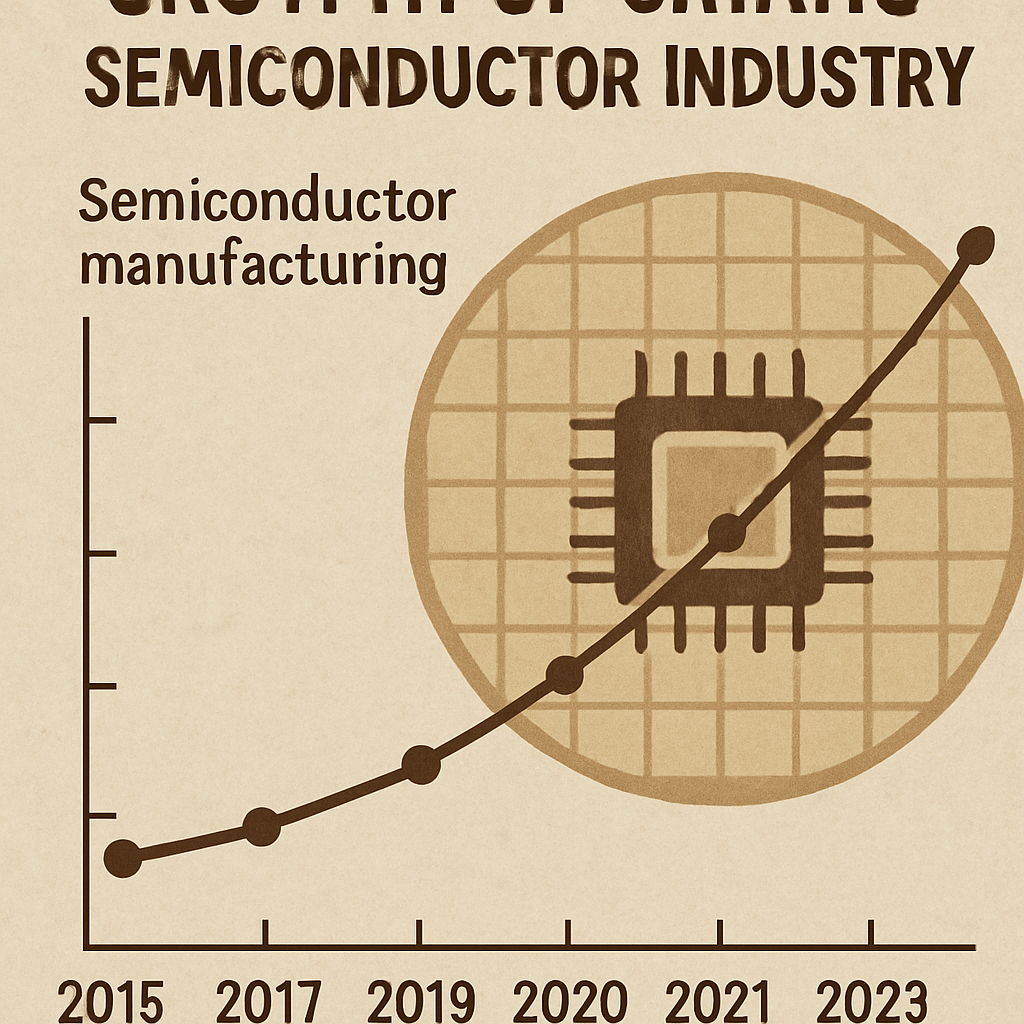
China’s semiconductor industry has seen remarkable growth. The nation is now a central figure in this crucial sector.
Investment has been a key driver of this rise. The Chinese government supports the industry with significant funding.
Technology innovation is fueling rapid industry expansion. Companies are focusing on cutting-edge technologies.
Several factors contribute to China’s semiconductor success:
- Government incentives
- Strong domestic demand
- Focus on research and development
- Increasing global collaborations
By 2030, China aims for self-sufficiency in semiconductors. This plan will reduce reliance on imported technologies.
The “Made in China 2025” initiative is vital. It emphasizes developing a robust semiconductor industry.
Despite trade tensions and challenges, growth persists. China continues to solidify its position in the global market.
Key Semiconductor Companies in China
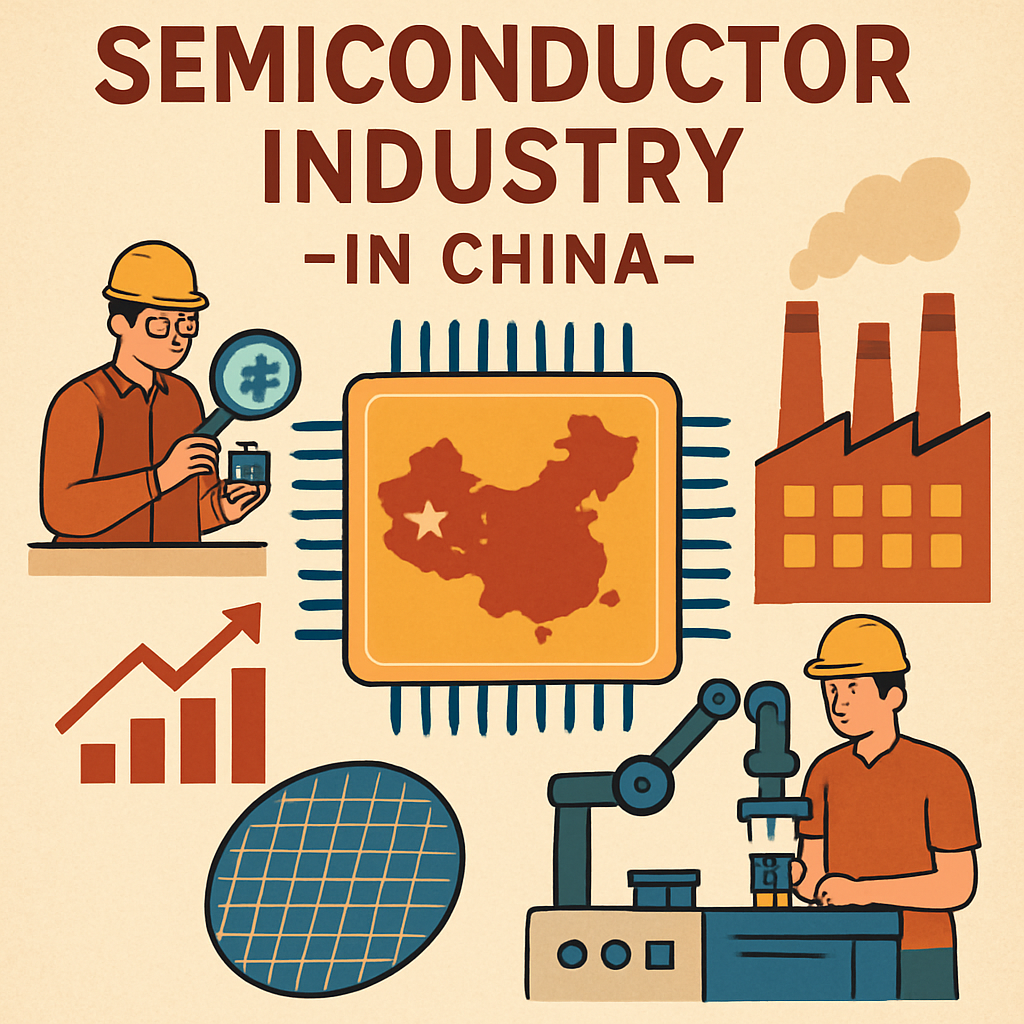
China hosts several leading semiconductor companies. These companies drive technological progress and market expansion.
SMIC, or Semiconductor Manufacturing International Corporation, plays a key role. It dominates the foundry market in China.
HiSilicon, a Huawei subsidiary, is another major player. It’s renowned for its advancements in chip design.
Tsinghua Unigroup has emerged as a formidable competitor. Their influence in the industry is growing fast.
Many companies contribute to this vibrant ecosystem:
- SMIC
- HiSilicon
- Tsinghua Unigroup
- Other emerging players
- suntop
These firms are expanding global reach through partnerships. They engage in acquisitions to strengthen their capabilities.
Chinese chip manufacturers invest heavily in research. This strategy boosts their competitiveness on the world stage.
The semiconductor companies in China focus on quality. This helps them meet international standards and expectations.
Amid trade constraints, innovation continues to be key. Companies adapt by fostering strategic collaborations.
The landscape remains competitive. Each firm strives to capture a larger market share.
These companies exemplify China’s commitment to technological excellence. They are the backbone of China’s semiconductor success.
SMIC: Leading the Foundry Market
SMIC has become a cornerstone in China’s semiconductor landscape. It excels in providing high-quality foundry services.
The company focuses on cutting-edge technology and production processes. Their efforts ensure they remain competitive globally.
SMIC’s robust infrastructure supports large-scale operations. This makes it a leader in the semiconductor sector.
HiSilicon and Huawei: Innovation Amid Challenges
HiSilicon, part of Huawei, leads in chip innovation. It develops advanced electron devices and circuits for global markets.
Despite facing trade restrictions, the company innovates. This resilience keeps HiSilicon at the forefront of the industry.
Huawei and HiSilicon collaborate closely. Their combined efforts enhance China’s semiconductor capabilities.
Tsinghua Unigroup and Other Major Players
Tsinghua Unigroup is a prominent name in China’s semiconductor scene. Their strategic initiatives make them a competitive force.
They focus on diversification and technological growth. Their presence boosts China’s standing in the global market.
Other notable companies include smaller emerging firms. These companies drive innovation and contribute significantly.
The collective strength of these companies underscores China’s industrial prowess. Their efforts are crucial for industry growth.
The Role of Electron Devices and Circuits
Electron devices and circuits are at the heart of the semiconductor industry. They drive functionality in countless electronic products.
These components are essential for modern technology’s seamless operation. Their importance extends across various sectors and applications.
In China, the demand for high-quality electron devices is rising. This demand propels the growth of semiconductor companies.
Key areas influenced by electron devices and circuits include:
- Telecommunications
- Consumer electronics
- Automotive industries
- Industrial automation
Innovations in circuit design enhance device performance. These advancements also enable more complex and efficient technologies.
Research and development play a crucial role. They help companies maintain a competitive edge in the global market.
As technology evolves, the significance of electron devices increases. These components ensure the longevity and relevance of the semiconductor industry.
Government Initiatives and Policy Support
The Chinese government plays a pivotal role in its semiconductor industry’s growth. It focuses on reducing dependence on foreign technology.
Several policies support this ambitious vision. These policies aim to bolster domestic capabilities in semiconductor production.
Government initiatives include substantial investments and infrastructure development. Such efforts provide a strong foundation for industry innovation.
Some key support measures are:
- Financial incentives for semiconductor companies
- Development of technology parks
- Collaboration with academic institutions
- Promotion of research and development
The “Made in China 2025” strategy underscores semiconductor advancements. It highlights the sector’s importance to national security.
China’s commitment to self-sufficiency extends to technological sectors. This commitment creates a favorable environment for semiconductor enterprises.
As policy support continues, the semiconductor industry is set for robust growth. Strengthened policies ensure China’s competitive stance worldwide.
Technological Trends: 5G, AI, IoT, and Beyond
China’s semiconductor industry is at the forefront of technological advancements. Key innovations drive its dynamic progress.
5G technology plays a significant role in this landscape. Its rapid development fuels demand for advanced semiconductors.
Artificial Intelligence (AI) applications are expanding. These applications require powerful semiconductors for processing capabilities.
The Internet of Things (IoT) connects various devices seamlessly. As IoT grows, so does the need for specialized chips.
Key technological trends include:
- Integration of AI in consumer electronics
- Development of smart manufacturing systems
- Expansion in connected devices and smart cities
- Progress in renewable energy systems
hese innovations represent substantial opportunities for semiconductor companies. China’s focus on tech enhancement is evident.
By keeping pace with global advancements, China strengthens its market position. Its strategic investments ensure continuous growth.
Technological progress in 5G, AI, and IoT underscores the industry’s transformative potential. The future promises even more breakthroughs.
Challenges Facing Chinese Chip Manufacturers
Chinese chip manufacturers face several challenges in today’s competitive market. Trade tensions with the U.S. complicate access to essential technologies.
Intellectual property rights remain a critical issue. Protecting innovations is vital for sustaining growth and competitiveness.
Talent shortages present another hurdle for the industry. Recruiting skilled professionals is essential to advance semiconductor technology.
Major challenges include:
- Navigating global trade restrictions
- Protecting intellectual property effectively
- Addressing the shortage of skilled labor
- Maintaining sustainable and eco-friendly practices
Despite these obstacles, Chinese companies are investing in talent development and research. They aim to bridge gaps and drive innovation.
Overcoming these challenges is crucial for maintaining China’s position. The industry’s resilience will play a key role in global technology markets.
Global Impact and International Collaborations
China’s semiconductor industry significantly influences global markets. Its suppliers are integral to the global supply chain.
Collaborations have become vital. Chinese companies partner with international firms to gain technological expertise.
These partnerships help overcome domestic challenges. By sharing resources, firms can drive mutual growth.
Key areas of collaboration include:
- Joint research and development projects
- Technology sharing agreements
- Co-investment in manufacturing facilities
- Strategic mergers and acquisitions
These efforts enhance China’s competitiveness. They bolster the development of cutting-edge technologies.
The semiconductor industry in China continues to expand its international reach. This strategy fosters innovation and boosts global technological leadership.
The Future of Semiconductor Suppliers in China
he future looks bright for semiconductor suppliers in China. With increasing investments, innovation is thriving.
By 2030, China aims to achieve self-sufficiency in semiconductor production. This goal will strengthen its market position.
Key factors driving future growth:
- Key factors driving future growth:
- Government support and favorable policies
- Advanced research and development initiatives
- Expansion into emerging technologies
- Increased collaborations with global partners
These elements are fueling growth in the industry. Suppliers are focusing on sustainable and smart manufacturing practices.
China’s commitment to innovation ensures it will remain a key player. As technology evolves, its suppliers are poised to lead global advancements in semiconductors.
Conclusion: China’s Role in the Global Semiconductor Landscape
China’s influence on the semiconductor industry is undeniable. With a focus on innovation and expansion, it continues to shape the global market. The country’s ability to overcome challenges has made it a formidable force.
Through strategic initiatives and collaborations, China is meeting demand and pushing technological boundaries. As the semiconductor landscape evolves, China is set to play a pivotal role in future developments. Its leadership and dedication to growth make it an essential player in worldwide advancements.

SHARE: