

The basic hardware of the component calculation system
by Suntop
2026-01-23
Electronic components are the fundamental building blocks that power every modern computing device, from smartphones and laptops to data centers and industrial machinery. These tiny yet powerful elements work in harmony to execute complex tasks, process data, and enable seamless communication between hardware systems.
As the backbone of electronic circuits, they encompass a diverse range of parts, each with unique functions and specifications that contribute to the overall performance of the device. Understanding electronic components is essential for anyone involved in computer engineering, hardware design, or technology maintenance, as they are the core of how electronic systems operate.
What Are Electronic Components?
Components are discrete devices designed to perform specific electrical or electronic functions within a circuit. They are the individual “parts” that are soldered onto printed circuit boards (PCBs) to form functional systems. These components can be categorized into two main types: active components and passive components.
Active components, such as transistors and integrated circuits (ICs), have the ability to amplify signals, process data, or generate power, relying on an external power source to operate. Passive components, including resistors, capacitors, and inductors, do not require external power and instead regulate the flow of electricity, store energy, or block specific frequencies.
The primary role of electronic components is to enable the transmission of electrical signals, control power distribution, and execute logical operations. Without these components, a PCB would be nothing more than a blank board—unable to process information, power devices, or interact with external peripherals. Each component is designed to meet precise specifications, such as voltage tolerance, current capacity, and operating temperature range, ensuring compatibility and reliability within the larger system.
Key features of electronic components include:
- Discrete functionality tailored to specific circuit needs
- Compatibility with standard PCB mounting and connection methods
- adherence to industry standards for performance and size
- Ability to integrate with other components to form complex systems
The selection and arrangement of electronic components directly impact the functionality, efficiency, and cost of the final product. Engineers must carefully choose components based on the system’s requirements, balancing performance, power consumption, and physical space constraints.
The Role of Electronic Components in Circuit Design
In circuit design, electronic components are an indispensable part. They act as the units that realize the functions of the circuit diagram, enabling the circuit to operate. Well-designed circuits require strategic selection and placement of components to ensure optimal performance, signal integrity, and reliability. For instance, resistors are used to limit current flow and prevent component damage, while capacitors are used to filter out noise and stabilize voltage. Transistors act as switches or amplifiers, allowing the circuit to handle digital signals or enhance analog output.
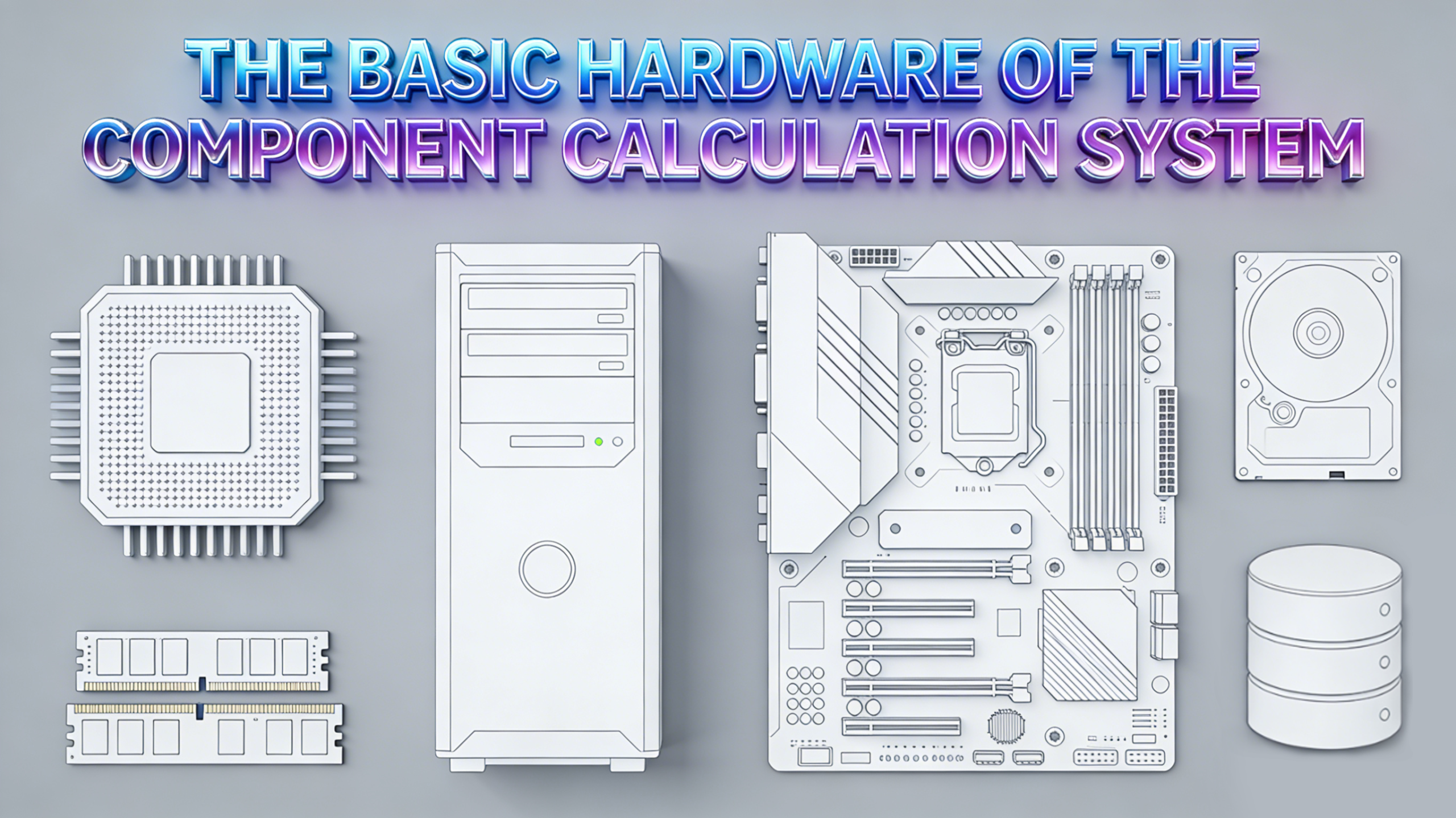
In complex systems like motherboards, electronic components work together in interconnected subsystems. The CPU, a highly advanced integrated circuit, relies on memory modules (RAM) to store temporary data, while power management ICs regulate voltage distribution to prevent overheating. Input/output (I/O) components, such as USB ports and Ethernet controllers, facilitate communication between the device and external peripherals. Each component plays a critical role in the subsystem, and their interaction is carefully orchestrated through the circuit design.
Key factors in component selection for circuit design:
- Compatibility with voltage and current requirements
- Signal processing capabilities (for active components)
- Size and form factor for PCB space optimization
- Durability and operating temperature range
Circuit designers use computer-aided design (CAD) software to model component placement and simulate circuit behavior before prototyping. This process allows them to identify potential issues, such as signal interference or power bottlenecks, and adjust the design to improve performance. The goal is to create a circuit that is efficient, reliable, and cost-effective, leveraging the unique capabilities of each electronic component.
Types of Electronic Components: Active and Passive
The existing electronic components can be broadly classified into active and passive categories. Each category has its own unique characteristics and application fields. Understanding the differences between these two types is crucial for designing effective circuits and resolving system malfunctions.
Passive Components
Passive components do not require an external power source to operate and do not amplify or process signals—instead, they modify the electrical properties of the circuit. Common passive components include:
- Resistors: Limit electric current flow, adjust signal levels, and divide voltage. They are available in various resistance values (measured in ohms) and power ratings, with materials like carbon film or metal oxide used to control conductivity.
- Capacitors: Store electrical energy in an electric field and release it when needed. They filter out noise, stabilize voltage, and smooth power supply fluctuations. Capacitors are rated by capacitance (farads) and voltage tolerance, with types ranging from ceramic and electrolytic to tantalum.
- Inductors: Store energy in a magnetic field and oppose changes in current flow. They are used in power supplies, filters, and RF circuits to block AC signals or enhance DC performance. Inductors are characterized by inductance (henries) and are often wound around a core material like iron or ferrite.
- Diodes: Allow current to flow in one direction while blocking it in the opposite direction. They are used for rectification (converting AC to DC), voltage clamping, and signal detection. Light-emitting diodes (LEDs) are a specialized type that emit light when current passes through them.
Active Components
Active components require an external power source to operate and have the ability to amplify signals, process data, or generate energy. They are the “brains” of the circuit, enabling complex operations like logic processing and signal modulation. Common active components include:
- Transistors: Act as switches or amplifiers, controlling the flow of current based on an input signal. Bipolar junction transistors (BJTs) and field-effect transistors (FETs) are the two main types, used in digital circuits (as switches) and analog circuits (as amplifiers).
- Integrated Circuits (ICs): Miniaturized circuits containing thousands or millions of transistors, resistors, and capacitors on a single chip. ICs are the foundation of modern electronics, with types including microprocessors (CPUs), memory chips (RAM/ROM), and application-specific integrated circuits (ASICs).
- Microcontrollers: Compact ICs that combine a CPU, memory, and I/O peripherals on a single chip. They are used in embedded systems, such as IoT devices and consumer electronics, to execute specific tasks with low power consumption.
- Operational Amplifiers (Op-Amps): High-gain differential amplifiers used to amplify weak signals, perform mathematical operations (addition, subtraction), and filter signals in analog circuits.
Key functions of each component category:
- Passive components: Regulate current/voltage, store energy, and filter signals
- Active components: Amplify signals, process data, and control circuit operations
The combination of active and passive components allows circuits to perform a wide range of functions, from simple voltage regulation to complex data processing. Engineers must select the right type and of components to meet the circuit’s requirements, ensuring compatibility and optimal performance.
Materials and Manufacturing of Electronic Components
The manufacturing of electronic components involves precise engineering, advanced materials, and strict quality control to ensure reliability and performance. The choice of materials is critical, as it directly impacts the component’s conductivity, durability, and efficiency.
Key Materials
- Conductive Materials: Copper, gold, and silver are commonly used for electrical connections due to their high conductivity. Copper is widely used in PCB traces and component leads, while gold is used in high-performance applications (like connectors) for its corrosion resistance.
- Semiconductor Materials: Silicon is the most common semiconductor material, used in transistors, diodes, and ICs. It has a unique ability to conduct electricity under certain conditions, making it ideal for switching and amplifying signals. Gallium arsenide (GaAs) is used in high-frequency applications, such as RF circuits and solar cells, due to its faster electron mobility.
- Insulating Materials: Ceramic, plastic, and glass are used as insulators to prevent short circuits and protect components. Ceramic is used in capacitors and resistors for its thermal stability, while plastic is used in component housings for its lightweight and cost-effectiveness.
- Magnetic Materials: Iron, ferrite, and neodymium are used in inductors and transformers to enhance magnetic field strength. Ferrite cores are commonly used in power supplies and filters due to their low eddy current loss.
Manufacturing Processes
The manufacturing of electronic components varies depending on the type, but most follow a similar workflow of design, fabrication, assembly, and testing.
- Design: Engineers use CAD software to design the component’s structure and specifications. For ICs, this involves creating a detailed layout of the circuit on a silicon wafer using photomasks.
- Fabrication:
- For passive components like resistors: A thin film of resistive material (e.g., carbon) is deposited on a ceramic substrate, and the desired resistance value is achieved by trimming the film.
- For transistors and diodes: Silicon wafers undergo processes like doping (adding impurities to alter conductivity), photolithography (transferring the circuit pattern), and etching (removing excess material) to create the semiconductor structure.
- For ICs: Multiple layers of metal and semiconductor material are deposited on the wafer, forming transistors, resistors, and capacitors. The wafer is then cut into individual chips (dies), which are tested for functionality.
- Assembly: Components are assembled into their final form, which may involve attaching leads (for through-hole components) or solder balls (for surface-mount components). ICs are packaged in plastic or ceramic housings to protect the die from damage.
- Testing: Each component undergoes rigorous testing to ensure it meets performance specifications. Tests include measuring resistance/capacitance/inductance, checking signal amplification (for active components), and verifying operation under extreme temperatures and voltages.
Manufacturing stages include:
- Material selection and preparation
- Design and prototyping
- Fabrication of core components
- Assembly and packaging
- Quality control and testing
The precision of these processes is critical—even minor defects can render a component non-functional. Manufacturers adhere to international standards (such as ISO and IEC) to ensure consistency and reliability across production batches.
Integration in Multi-Layered PCBs and Systems
Modern electronic devices rely on multi-layered PCBs to accommodate the growing number of components and the need for compact design. Multi-layered PCBs consist of multiple layers of copper traces separated by insulating material, allowing for complex interconnections between components without sacrificing space.
Electronic components are mounted on the PCB using two main methods: through-hole mounting and surface-mount technology (SMT). Through-hole components have long leads that pass through holes in the PCB and are soldered to the opposite side, providing mechanical stability for larger components like transformers. SMT components are smaller and lighter, with solder pads on the bottom that are soldered directly to the PCB surface, enabling higher component density and faster assembly.
In multi-layered systems, components are strategically placed to minimize signal interference and optimize power distribution. For example, power management components (like voltage regulators) are placed near the power source to reduce voltage drop, while high-speed components (like RAM and CPU) are placed close together to minimize signal delay. The layers of the PCB are dedicated to specific functions—one layer for power distribution, another for ground, and others for signal traces—reducing crosstalk between components.
Features of component integration in multi-layered systems:
- High component density for compact design
- Reduced signal interference through layered routing
- Improved thermal management with strategic component placement
- Enhanced reliability through robust soldering and interconnections
The integration of electronic components in multi-layered PCBs is a complex process that requires careful planning and simulation. Engineers use PCB design software to model component placement, trace routing, and thermal distribution, ensuring that the system operates efficiently and reliably.
Design Considerations: Performance, Reliability, and Compatibility
Designing with electronic components requires balancing multiple factors to create a system that is high-performing, reliable, and cost-effective. Key considerations include:
Performance
- Signal Integrity: Ensuring that electrical signals are transmitted without distortion or loss. This involves selecting components with low noise levels (e.g., low-noise amplifiers) and designing traces to minimize crosstalk and impedance mismatch.
- Speed: For high-performance systems (e.g., gaming PCs, data centers), components must support fast data transfer rates. This includes using high-speed memory (DDR5 RAM), fast processors (multi-core CPUs), and high-bandwidth connectors (PCIe 5.0).
- Power Efficiency: With the growing focus on sustainability, components must be energy-efficient to reduce power consumption and heat generation. This includes using low-power microcontrollers, efficient power management ICs, and energy-saving passive components (e.g., low ESR capacitors).
Reliability
- Durability: Components must withstand harsh operating conditions, such as extreme temperatures, humidity, and vibration. This involves selecting components with wide operating temperature ranges (e.g., industrial-grade resistors) and robust packaging (e.g., ceramic IC packages).
- Longevity: Components should have a long lifespan to reduce maintenance and replacement costs. This includes using high-quality materials (e.g., gold-plated connectors) and avoiding components with known reliability issues (e.g., electrolytic capacitors with short lifespans).
- Thermal Management: Excessive heat can degrade components and reduce system lifespan. Designers must ensure adequate heat dissipation by placing heat-sensitive components (e.g., CPUs, power ICs) near heat sinks or fans and using thermal pads to transfer heat away from components.
Compatibility
- Electrical Compatibility: Components must be compatible with the circuit’s voltage and current requirements. For example, a resistor rated for 1W cannot be used in a circuit that requires 2W of power, as it will overheat and fail.
- Mechanical Compatibility: Components must fit within the PCB’s size and form factor. Surface-mount components are ideal for compact designs, while through-hole components are better for larger, more robust systems.
- Interface Compatibility: Components must communicate effectively with each other. For example, a RAM module must be compatible with the motherboard’s memory controller, and a USB port must adhere to the USB 3.2 specification to support fast data transfer.
Key design considerations:
- Optimal component selection for performance and efficiency
- Robust thermal management to prevent overheating
- Compatibility across electrical, mechanical, and interface requirements
- Compliance with industry standards for reliability and safety
By addressing these considerations, designers can create electronic systems that meet the needs of modern applications, from portable devices to industrial machinery.
Innovations and Future Trends in Electronic Components
The field of electronic components is constantly evolving, driven by the demand for faster, smaller, and more efficient devices. Innovations in materials, manufacturing, and design are shaping the future of electronic components, enabling new technologies and applications.
Advanced Materials
- Graphene: A single layer of carbon atoms with exceptional conductivity, strength, and flexibility. Graphene-based components, such as transistors and sensors, offer faster switching speeds, lower power consumption, and smaller form factors than traditional silicon-based components. Graphene is also being explored for use in flexible electronics, such as wearable devices and foldable smartphones.
- Wide-Bandgap Semiconductors: Materials like silicon carbide (SiC) and gallium nitride (GaN) have a wider bandgap than silicon, enabling them to operate at higher temperatures, voltages, and frequencies. SiC and GaN components are used in power electronics (e.g., electric vehicle inverters, solar inverters) for their high efficiency and durability.
- 2D Materials: Beyond graphene, materials like molybdenum disulfide (MoS2) and black phosphorus are being researched for use in next-generation transistors. These materials have unique electronic properties that could enable even smaller and more efficient components.
Manufacturing Innovations
- 3D Printing: Additive manufacturing techniques are being used to create complex electronic components with custom shapes and structures. 3D-printed components, such as antennas and sensors, offer greater design flexibility and faster prototyping than traditional manufacturing methods.
- Nanotechnology: The use of nanomaterials (e.g., carbon nanotubes, quantum dots) is enabling the development of ultra-small components with enhanced performance. Carbon nanotube transistors, for example, are smaller and faster than silicon transistors, making them ideal for high-density ICs.
- Wafer-Level Packaging (WLP): This technology allows ICs to be packaged directly on the wafer, reducing size and improving performance. WLP is used in smartphones and other compact devices to save space and enhance signal integrity.
Future Trends
- Miniaturization: Components will continue to shrink in size, enabling even more compact devices. This includes the development of micro- and nano-scale components for IoT devices, medical implants, and wearable technology.
- Integration: Components will become more integrated, with ICs combining multiple functions (e.g., CPU, GPU, memory) on a single chip. This will reduce system size, power consumption, and cost while improving performance.
- Sustainability: There will be a greater focus on eco-friendly components, including those made from recycled materials and designed for easy recycling. Energy-efficient components will also become more prevalent, helping to reduce the carbon footprint of electronic devices.
- AI-Enabled Components: Components with built-in artificial intelligence (AI) capabilities, such as AI accelerators and smart sensors, will enable devices to process data locally, reducing latency and improving privacy.
Future trends to watch:
- Graphene and 2D material-based components
- 3D-printed and nano-scale electronic parts
- High-integration ICs for compact systems
- Sustainable and energy-efficient components
- AI-enabled smart components
These innovations will transform the capabilities of electronic devices, enabling new applications in areas like healthcare, transportation, and renewable energy.
Troubleshooting and Maintenance: Understanding Components for Repairs
Understanding electronic components is essential for troubleshooting and maintaining electronic systems. Many common issues, such as system crashes, power failures, and signal interference, can be traced back to faulty components. By knowing how components work and how to test them, technicians can quickly diagnose and resolve problems.
Common Component Issues
- Resistor Failure: Resistors can burn out due to excessive current, leading to open circuits or reduced resistance. Symptoms include overheating, system instability, or component damage.
- Capacitor Failure: Electrolytic capacitors are prone to leaking or bulging over time, especially in high-temperature environments. This can cause voltage fluctuations, system crashes, or power supply failures.
- Transistor Failure: Transistors can fail due to overvoltage, overheating, or manufacturing defects. Symptoms include no signal output, distorted signals, or short circuits.
- IC Failure: ICs can fail due to electrostatic discharge (ESD), overheating, or voltage spikes. Symptoms include complete system failure, erratic behavior, or inability to communicate with other components.
Troubleshooting Techniques
- Visual Inspection: Check components for physical damage, such as burnt marks, bulging capacitors, or loose connections. Dust and debris can also cause issues, so keeping the PCB clean is important.
- Multimeter Testing: Use a multimeter to measure the resistance, voltage, or current of components. For example, a resistor can be tested by measuring its resistance and comparing it to the rated value. A capacitor can be tested for capacitance and leakage.
- Signal Tracing: Use an oscilloscope to trace signals through the circuit, identifying where the signal is distorted or lost. This can help pinpoint faulty components, such as amplifiers or filters.
- Replacement Testing: If a component is suspected of being faulty, replace it with a known good component and test the system. This is a common troubleshooting technique for ICs and other complex components.
Key maintenance tips:
- Keep electronic devices clean and free of dust and debris.
- Avoid exposing devices to extreme temperatures, humidity, or static electricity.
- Use surge protectors to prevent voltage spikes from damaging components.
- Regularly inspect components for signs of wear or damage, such as bulging capacitors or burnt resistors.
- Follow proper ESD precautions when handling components to avoid static damage.
By understanding electronic components and their common failure modes, technicians can effectively troubleshoot and repair electronic systems, extending their lifespan and reducing downtime.
Conclusion: The Indispensable Role of Electronic Components in Modern Technology
Electronic components are the unsung heroes of modern technology, enabling the devices and systems that have become integral to our daily lives. From the smallest resistor to the most advanced IC, each component plays a critical role in ensuring that electronic systems function efficiently, reliably, and effectively. As technology continues to evolve, electronic components will remain at the forefront of innovation, driving advancements in speed, miniaturization, and sustainability.
Whether you are a computer engineer designing the next generation of motherboards, a technician repairing a smartphone, or simply a user relying on electronic devices for work and entertainment, understanding electronic components enhances your ability to interact with and appreciate the technology around you. As we look to the future, the continued development of electronic components will unlock new possibilities, from AI-powered devices and IoT networks to renewable energy systems and advanced medical technology. In a world increasingly dependent on electronics, electronic components are not just building blocks—they are the foundation of progress.
SUNTOP
Founded in 2000, Suntop is one of the leading global distributors of electronic components, dedica ted to providing comprehensive procurement and supply chain services to the global electronics manufacturing industry. Our services include distribution, spot trading, PPV cost-saving projects, and inventory management. We not only offer high-quality products but also strive to assist our clients in achieving optimal solutions with minimal time and cost.
As a trusted partner for numerous OEMs, ODMs, CEMs, and EMS companies worldwide, our professional team manages millions of component records from thousands of trading partners across dozens of countries daily through our company database. We maintain close business relationships with major factories and distributors in North America, Europe, and Asia to ensure that our clients stay ahead in a highly competitive market.
Key strengths of SUNTOP include:
- 45+ countries have close cooperation
- More than 500 customers around the world
- More than 1000+ brand portfolio sales
- The annual income is 150 million dollars
Our purchasing team implements supply chain management systems to help our customers save costs at the best prices.
Our quality inspection team will carefully inspect the exported products and strictly follow the ISO testing procedures to ensure that every product meets international standards.
SUNTOP will provide personalized procurement solutions to suit different customers, including procurement simulation, regular batch delivery of annual orders, saving costs such as price difference incurred during purchase.
SUNTOP has a comprehensive ERP vendor management sy

SHARE: