


Electronic Pathways on Motherboard

by Suntop
2025-12-23
The electronic pathway on a motherboard is a marvel of modern engineering. These pathways, often called circuit traces, are essential for connecting components. They allow communication between the CPU, RAM, and other peripherals.
Made of copper, these pathways are etched onto the motherboard’s surface. They form a complex network that ensures efficient data transmission and power distribution. The layout of these pathways is crucial for the motherboard’s performance.
Motherboards are multi-layered, with each layer containing different pathways. This design minimizes interference and enhances signal integrity. The pathways are designed to handle specific voltage and current levels.
Understanding these pathways is key for anyone interested in computer hardware. They are a testament to the precision and complexity of modern electronics.
What Are Electronic Pathways on a Motherboard?
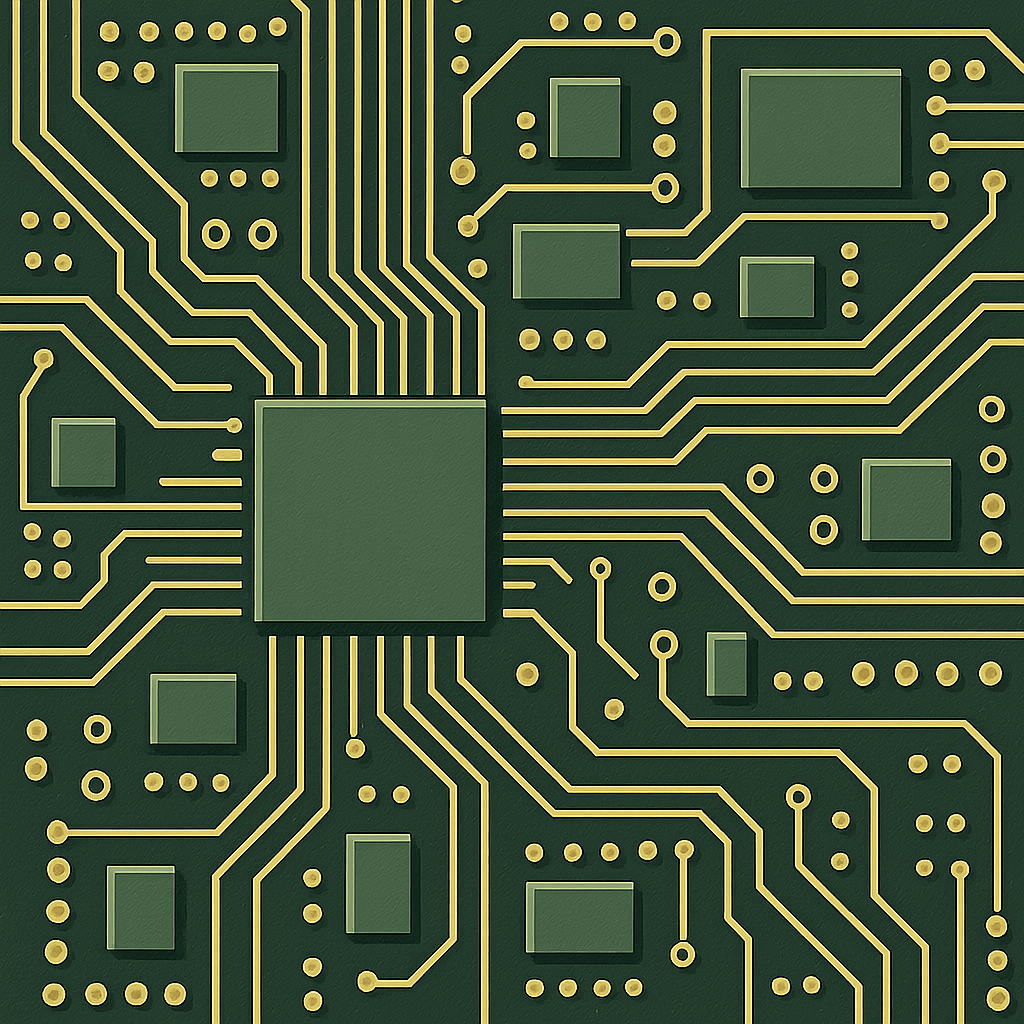
Electronic pathways on a motherboard are the intricate routes that connect the components. These pathways are fundamental to ensuring that the motherboard functions correctly. They consist of fine copper traces etched onto the printed circuit board (PCB).
The primary function of these pathways is to allow data and power to flow between components. Without these connections, components like the CPU and memory couldn’t communicate or receive power. They are therefore vital for the motherboard’s operation.
An electronic pathway can be broken down into different types depending on its function. For instance, some traces carry power, while others convey data or control signals. This division helps maintain the motherboard’s efficiency and performance.
Key features of electronic pathways include:
- Made of copper
- Etched onto the PCB surface
- Connect multiple motherboard components
The design and layout of electronic pathways can heavily influence the motherboard’s reliability and efficiency. It’s not only about linking components but also optimizing the pathways to reduce interference and signal loss. As a result, the performance of a computer often depends on how well these pathways are implemented.
The Role of Electronic Pathways in Motherboard Layout
Electronic pathways are integral to a motherboard’s design, providing the necessary connections between components. They ensure that signals travel efficiently between the CPU, RAM, and various peripherals. Without these pathways, the motherboard’s intricate network would fail to function.
The layout of these pathways is meticulously planned to optimize the motherboard’s performance and minimize electromagnetic interference. A well-designed layout reduces crosstalk, ensuring clear signal transmission. The strategic arrangement of pathways helps in managing power distribution efficiently across the motherboard.
The pathways are part of a larger system that includes various layers and connectors. They form a complex web of connections that support the motherboard’s architecture. This design aims to balance performance, reliability, and physical space constraints.
Key factors in pathway layout:
- Minimized interference and crosstalk
- Efficient power distribution
- Optimal data transmission
The layout is crucial not only for current technology but also for future upgrades. Designers must anticipate technological advancements and incorporate pathways that will accommodate these changes. This foresight ensures the motherboard remains relevant and adaptable in an ever-evolving technological landscape.
How Electronic Pathways Are Made: Materials and Manufacturing
Creating electronic pathways involves precise craftsmanship and cutting-edge technology. These pathways, known as circuit traces, are primarily made of copper. Copper is chosen for its excellent conductive properties, making it ideal for electrical connections.
The manufacturing process begins with a substrate covered with a copper layer. This board undergoes a process called etching, where unwanted copper is removed, leaving only the necessary pathways intact. Each trace is carefully mapped out, ensuring connections between components are optimized.
Manufacturers employ computer-aided design (CAD) software to meticulously plan these pathways. This software ensures accuracy and efficiency, allowing designers to develop complex, multi-layered designs. Every layer can contain different circuit traces for various functions.
Manufacturing stages include:
- Substrate preparation
- Copper layer application
- Etching unwanted copper
- Design review and quality assurance
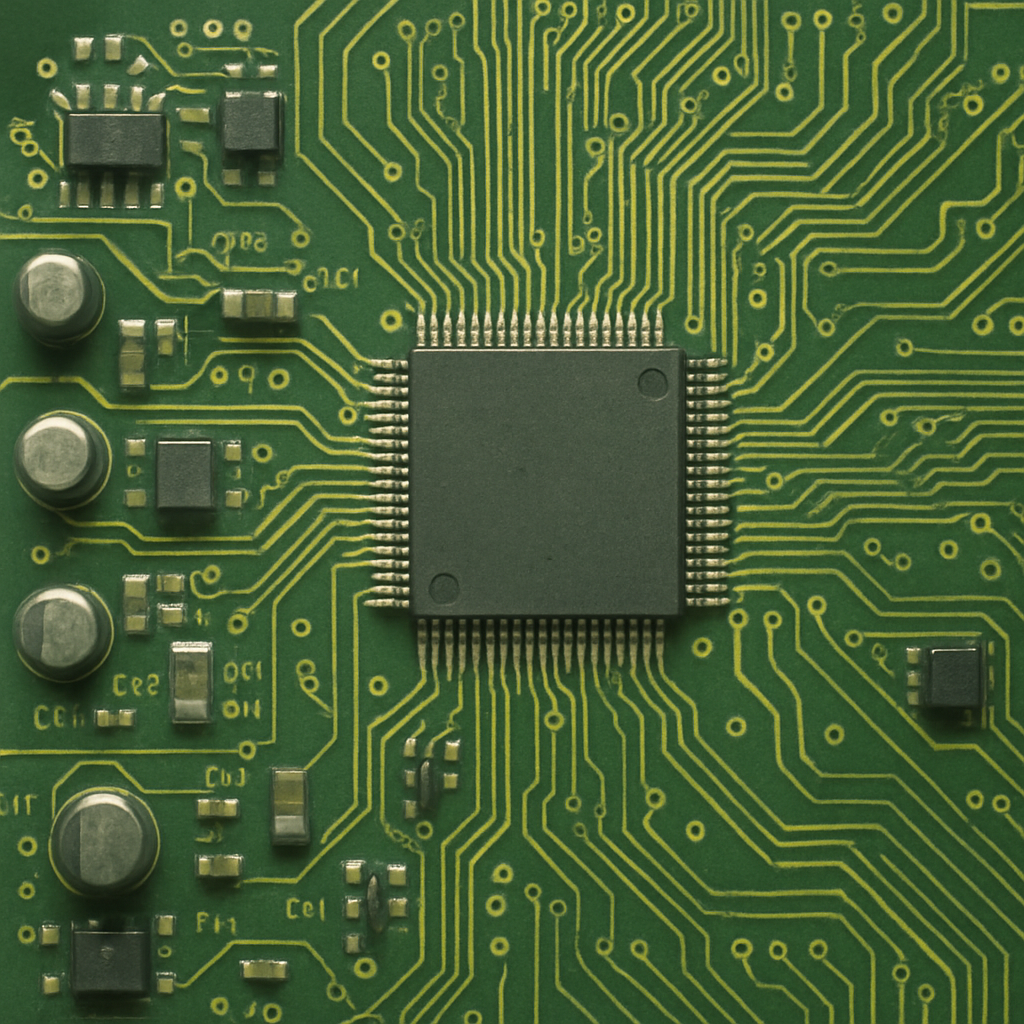
This detailed process impacts the motherboard’s overall performance and durability. By adhering to precise manufacturing techniques, pathways are developed to withstand demanding computing environments. This ensures reliable communication between components, essential for any computing system.
Types of Electronic Pathways: Power, Data, and Control
Electronic pathways on a motherboard can be categorized into three main types: power, data, and control. Each type plays a crucial role in the motherboard’s functionality, ensuring that all components operate seamlessly together.
Power pathways are responsible for distributing voltage and current throughout the motherboard. They ensure that each component receives the necessary power to function correctly. These pathways are usually thicker to handle higher electrical loads and prevent overheating.
Data pathways facilitate communication between different components. They transmit data signals at high speed, ensuring smooth operation. These pathways require careful design to minimize signal loss and interference, which could degrade performance.
Control pathways manage the signals that synchronize and control component functions. These pathways help coordinate processes, ensuring components work in harmony. Maintaining signal integrity in control pathways is critical for reliable system performance.
Key functions of each pathway type:
- Power pathways: Distribute voltage and current
- Data pathways: Transmit data signals
- Control pathways: Synchronize component functions
The careful design of each pathway type contributes to the overall effectiveness of the motherboard. By optimizing these pathways, designers can enhance performance, efficiency, and reliability, making modern computing possible.
Multi-Layered Motherboards: Hidden and Visible Pathways
Motherboards are intricate and typically multi-layered, allowing them to accommodate a complex network of electronic pathways. Each layer serves a distinct purpose, hosting different types of pathways essential for the motherboard’s operation.
Visible pathways are found on the external layers of the motherboard. These are primarily used for major connections, such as those interfacing with peripheral devices. They are also prominent around critical components like the CPU and RAM.
Hidden pathways reside within the internal layers. They optimize space and reduce electromagnetic interference, enhancing performance. These pathways are usually narrower and require precise engineering to maintain integrity and efficiency.
Features of multi-layered motherboards:
- Efficient space utilization
- Minimized electromagnetic interference
- Enhanced performance and reliability
The multi-layered approach allows motherboards to include more complex circuitry in a compact form. These hidden and visible pathways are crucial for sophisticated computing tasks and help ensure that various components operate cohesively, pushing the limits of motherboard technology.
Design Considerations: Signal Integrity, Speed, and Efficiency
Designing electronic pathways on a motherboard is a meticulous process. It involves numerous considerations to ensure optimal performance. One key factor is signal integrity, which refers to the quality of electrical signals as they travel through pathways. High-quality signals are vital for accurate data transmission, reducing errors and enhancing reliability.
Speed is another critical aspect of pathway design. Fast data transmission is pivotal in modern computing applications. Pathway length, width, and material all influence speed, with shorter and wider pathways typically offering faster speeds. Designers strive to balance speed with other factors like cost and physical space constraints.
Efficiency in electronic pathways means they use minimal power while maximizing performance. Efficient pathways result in less heat generation, which is crucial for maintaining the motherboard’s longevity. This involves carefully planning the routing of pathways and considering power levels that each component needs.
Key design considerations:
- Signal integrity and minimal interference
- Optimized speed for quick data transmission
- Energy efficiency for reduced power consumption
These design elements play a crucial role in the overall functionality and performance of the motherboard. By integrating these considerations, manufacturers ensure their motherboards can support the latest technologies while maintaining efficiency and reliability.
The Impact of Motherboard Layout on Performance and Reliability
Motherboard layout is more than just component placement; it directly impacts performance and reliability. How pathways are arranged influences data flow efficiency, which determines the speed of processing tasks. If pathways are congested or poorly routed, data can bottleneck, causing slowdowns.
Reliability is another concern impacted by layout. Effective pathway design ensures that electronic components work harmoniously under stress. Well-routed pathways prevent overheating by allowing efficient thermal management, critical for long-term stability. Motherboard failures can often be traced back to poor layout decisions that ignored these factors.
A motherboard’s ability to perform under various conditions is heavily determined by its layout. Proper planning can minimize error rates and reduce interference between pathways. Designers focus on balance, striving for optimal component proximity and pathway organization to achieve desired performance outcomes.
Considerations for optimal layout:
- Efficient data flow management
- Enhanced thermal distribution
- Minimized interference and bottlenecks
In summary, careful layout design not only boosts performance but also fortifies the motherboard’s durability. The strategic arrangement of electronic pathways ensures computers can handle intensive tasks effectively.
Innovations and Future Trends in Electronic Pathways
The evolution of electronic pathways continues to push the boundaries of motherboard design. Innovations focus on improving speed, reducing size, and enhancing efficiency. As technology advances, we see novel materials and manufacturing techniques shaping the future of motherboards.
Emerging trends include the use of advanced materials like graphene for higher conductivity and reduced resistance. This material promises faster data transfer rates and lower energy consumption. Additionally, 3D printing technology is gaining momentum in creating complex, multi-layered pathways with precision and speed.
Future trends to watch:
- Use of graphene for improved conductivity
- Integration of 3D printing in manufacturing
- Exploration of new materials for efficiency gains
Motherboards of the future will likely feature these innovations, radically transforming their capability and performance. Staying updated with these trends is essential for understanding the evolving landscape of computer hardware.
Troubleshooting and Repair: Understanding Pathways for Maintenance
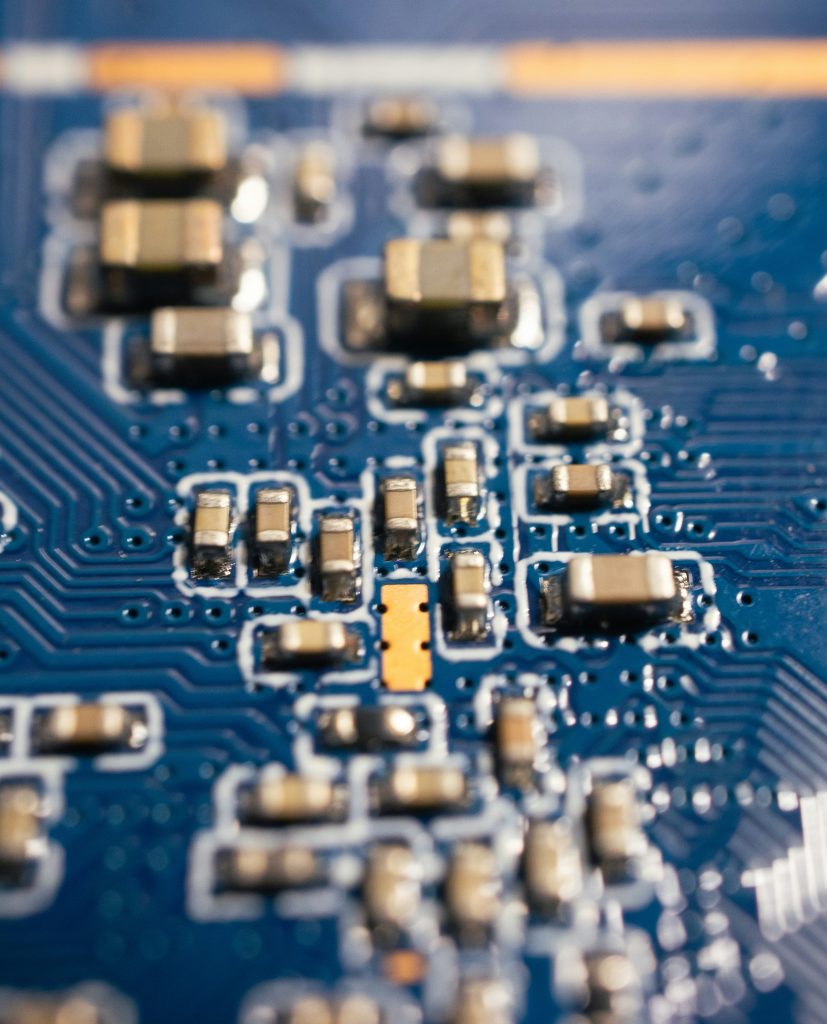
Understanding electronic pathways is crucial for effective motherboard troubleshooting and repair. These pathways connect various components, making them potential points of failure if not properly maintained. Recognizing issues with these pathways can help resolve common motherboard problems.
Knowledge of electronic pathways can aid in identifying issues like short circuits, which often occur due to damaged or faulty traces. Properly diagnosing these issues involves a keen understanding of the motherboard layout and pathway function.
Key maintenance tips:
- Inspect pathways for physical damage
- Use multimeters to check continuity
- Keep the motherboard clean and free of debris
This understanding not only aids in repair efforts but also extends the motherboard’s lifespan through proactive maintenance.
SUNTOP
Founded in 2000, Suntop is one of the leading global distributors of electronic components, dedica ted to providing comprehensive procurement and supply chain services to the global electronics manufacturing industry. Our services include distribution, spot trading, PPV cost-saving projects, and inventory management. We not only offer high-quality products but also strive to assist our clients in achieving optimal solutions with minimal time and cost.
Suntop is a popular choice for those seeking electron devices and circuits due to their competitive pricing and reliable service. They cater to both small-scale hobbyists and large-scale manufacturers, ensuring that every customer finds what they need.
Conclusion: The Importance of Electronic Pathways in Modern Computing
Electronic pathways on a motherboard are the lifelines of modern computing. They ensure efficient communication and power distribution among components. Without these intricate paths, achieving high-performance computing and system reliability would be impossible. As technology evolves, these pathways remain pivotal in supporting advanced features and emerging technologies. Understanding them enhances both manufacturing and user experience.
SHARE: