

What is the cost is an oxygen sensor?

by Suntop
2025-12-30
Oxygen sensors are vital components in modern vehicles. They monitor the air-fuel mixture in the engine. This ensures optimal performance and reduced emissions.
But how much is an oxygen sensor? Prices can vary significantly. Factors like vehicle make and model play a role.
On average, an oxygen sensor costs between $20 and $200. Labor costs for replacement can add $50 to $150.
Different types of sensors exist, such as upstream and downstream. Upstream sensors are generally more expensive.
Understanding these costs is crucial for car owners. It helps in budgeting for maintenance and repairs.
This guide will explore oxygen sensor prices in detail. We’ll cover factors affecting costs and tips for purchasing.
Whether you’re a car enthusiast or a casual driver, this information is valuable. Stay informed and make smart decisions for your vehicle.
What is an Oxygen Sensor and Why is it Important?
An oxygen sensor is a critical part of your vehicle’s exhaust system. It measures the oxygen level in the exhaust gases. This helps the engine control unit (ECU) adjust the air-fuel ratio.
Why is this important? Proper air-fuel mixture ensures the engine runs efficiently. It reduces harmful emissions and improves fuel economy. If the mixture is off, it can lead to engine problems.
Oxygen sensors perform several key functions:
- Monitor engine performance.
- Detect rich or lean fuel mixtures.
- Help reduce tailpipe emissions.
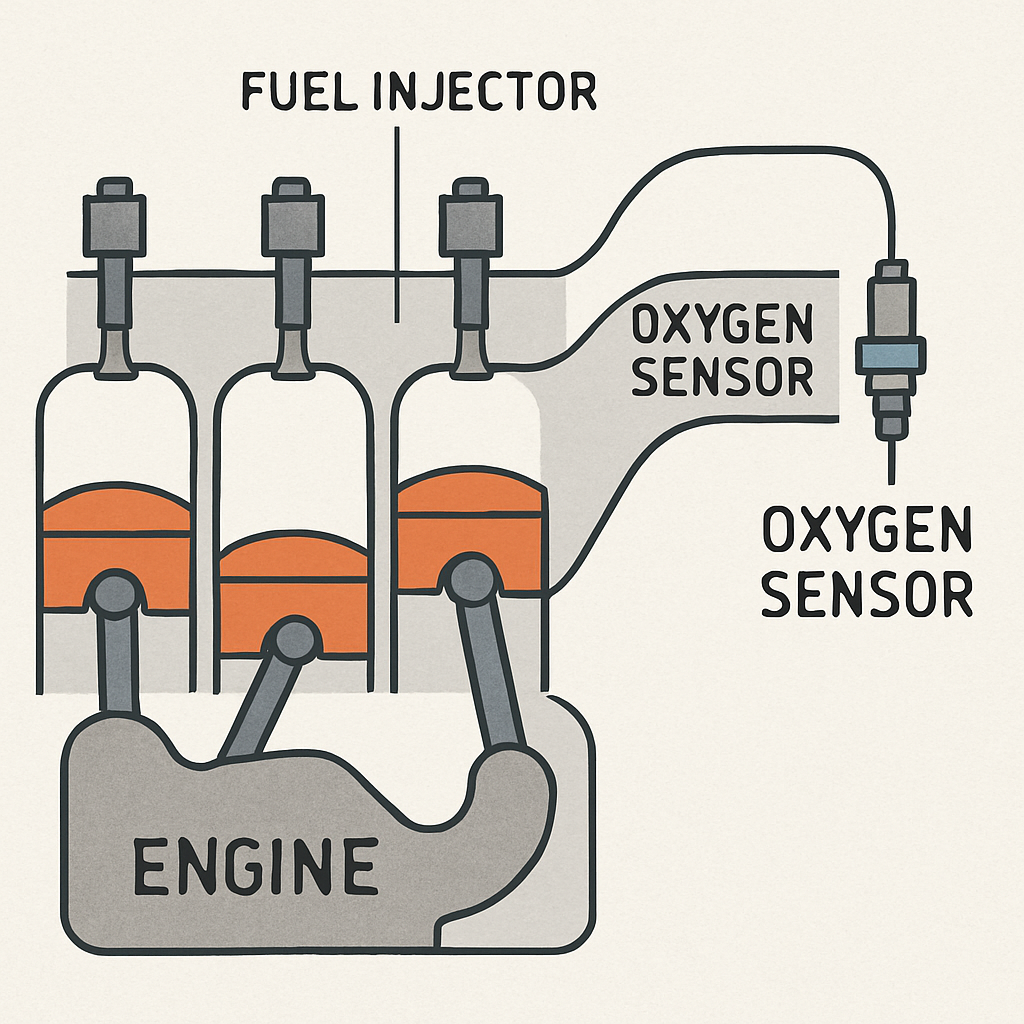
These sensors are located in the exhaust system. They can be found before and after the catalytic converter. The position determines their specific role. Upstream sensors help with combustion efficiency. Downstream sensors check the converter’s performance.
Overall, oxygen sensors are vital for vehicle health. They help maintain engine performance and reduce emissions. Regular checks ensure your car runs smoothly. If one fails, it can lead to higher emissions and poor mileage. Understanding their importance helps in maintaining a reliable vehicle.
Types of Oxygen Sensors in Cars
Oxygen sensors come in various types, each serving a unique purpose. Understanding these types helps when replacing or purchasing a sensor.
The most common types are:
- Upstream Oxygen Sensors: Placed before the catalytic converter.
- Downstream Oxygen Sensors: Positioned after the catalytic converter.
- Wideband Oxygen Sensors: Provide precise air-fuel ratio information.
Upstream sensors are crucial for monitoring fuel mixture. They ensure the engine burns fuel efficiently. By detecting the amount of oxygen in exhaust gases, they help adjust the air-fuel mix. This is critical for smooth engine performance.
Downstream sensors, on the other hand, monitor the efficiency of the catalytic converter. They ensure emissions are minimized. If this sensor detects too much oxygen, it could mean the converter isn’t working well.
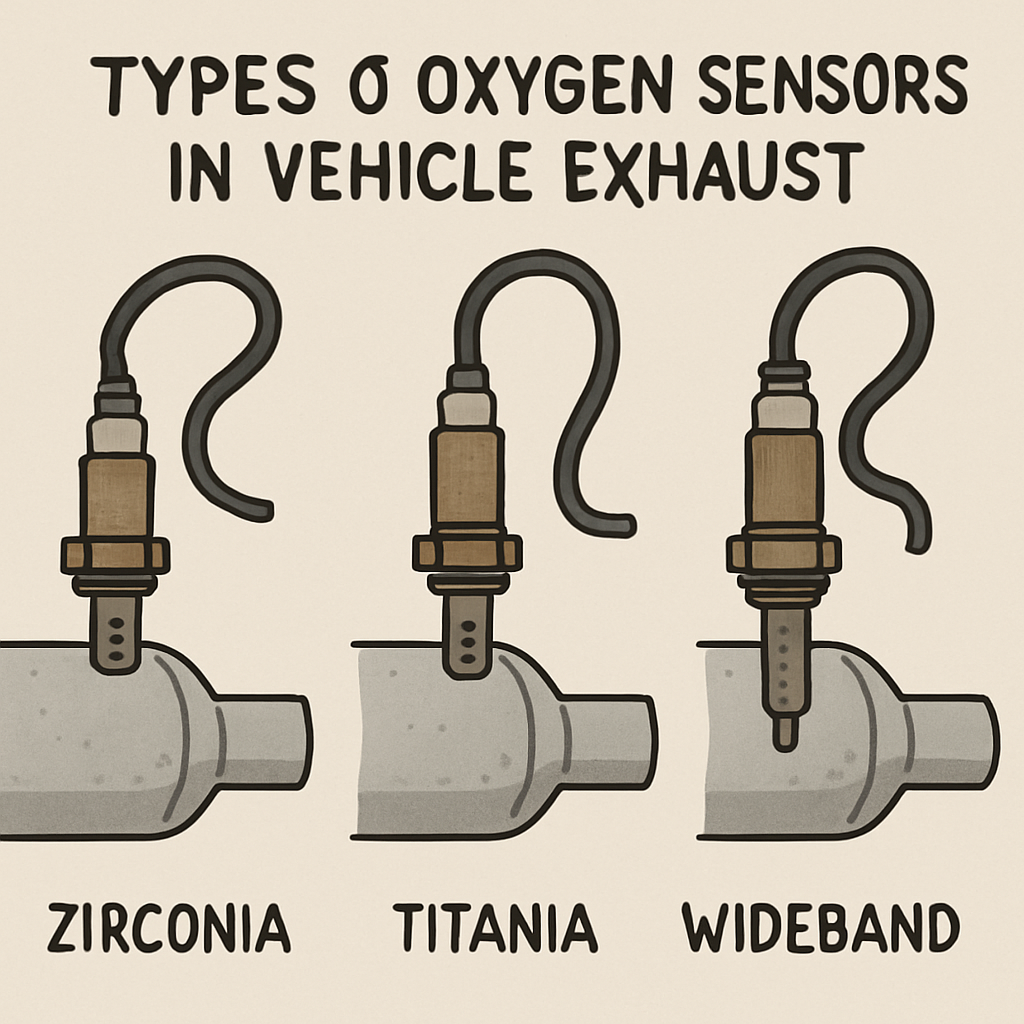
Wideband sensors are advanced, providing real-time data on the air-fuel ratio. Their precision makes them valuable in modern vehicles. They help maintain optimal engine efficiency.
Each type of sensor plays a vital role. Knowing the differences helps in making informed decisions. This ensures your vehicle stays efficient and eco-friendly. Additionally, timely replacement can prevent costly repairs and reduce pollution.
How Much is an Oxygen Sensor? (Average Prices)
The price of an oxygen sensor can vary widely. Several factors influence these variations. Knowing the average cost helps in budgeting for replacement.
Most oxygen sensors range from $20 to $200. This range depends on the type of sensor and the vehicle make and model. Here’s a general breakdown of costs:
- Basic Oxygen Sensors: Typically cost between $20 and $50.
- Upstream Sensors: Usually range from $50 to $150.
- Downstream Sensors: Often fall within the $40 to $120 range.
Additional costs to consider include labor for installation. Typically, replacing an oxygen sensor costs between $50 and $150 in labor. Overall, the total replacement cost might range from $100 to $350.
A few factors that influence sensor prices include:
- Vehicle Make and Model: Luxury vehicles may have higher-priced sensors.
- Location: Price can differ based on geographic locati0n.
- Retailer: Prices vary between online and local retail stores.
Understanding these factors ensures a clearer view of potential expenses. Always consider these when planning a sensor replacement. It’s advisable to compare prices from different retailers for the best deals.
While OEM sensors often come with a higher price, they guarantee compatibility and durability. Opting for aftermarket sensors might save on initial costs, but risks compatibility issues. Being informed about the types and prices helps in making the right choice for your vehicle.
Factors Affecting Oxygen Sensor Price
Understanding the cost of oxygen sensors involves several key factors. These can significantly influence how much you’ll pay. Here are a few crucial considerations.
Vehicle Make and Model
The car’s brand and model are primary determinants. Luxury or less common vehicles often have pricier sensors. Mass-market models usually offer more affordable options.
Sensor Type
The sensor type also plays a significant role in pricing. Upstream sensors tend to be more expensive than downstream ones. This difference stems from their distinct functions in the vehicle.
Compatibility and Quality
Compatibility with your vehicle is essential. OEM sensors, designed specifically for certain models, ensure compatibility but at a higher price. Aftermarket sensors are cheaper but may lack fit and longevity.
Market Demand
Demand fluctuations can affect sensor prices. During high demand periods, prices might rise. In contrast, increased supply during normal periods could lower costs.
Additional Features
Some sensors come with advanced features. These include enhanced emission reduction or improved monitoring capabilities. Such features can increase the price but offer long-term benefits.
Purchase Location
Where you buy the sensor also matters. Buying online might save money compared to physical stores. Online retailers often have competitive prices and discounts.
Understanding these factors helps in budgeting and making informed decisions. It’s essential to weigh these elements carefully when replacing an oxygen sensor. This will ensure the best balance between quality and cost.
Upstream vs. Downstream Oxygen Sensor Price
Understanding the difference between upstream and downstream oxygen sensors is crucial. These two types serve distinct functions in an exhaust system. This distinction also affects their respective costs.
Upstream Oxygen Sensors
Upstream sensors are located before the catalytic converter. They play a critical role in monitoring the air-fuel ratio. This ensures optimal engine performance and fuel efficiency. Because of their importance and complexity, they typically cost more than their downstream counterparts.
Downstream Oxygen Sensors
Downstream sensors come after the catalytic converter. Their primary function is to monitor the efficiency of the catalytic converter. They help in maintaining emission standards but do not control the engine’s air-fuel mixture directly. Generally, these sensors are more affordable due to their simpler role.
Price Comparison Factors
Several aspects influence the price difference between these sensors:
- Complexity: Upstream sensors have a more sophisticated design.
- Functionality: They affect the overall engine performance.
- Placement: Installation locati0n affects exposure to engine heat.

Choosing the Right Sensor
Selecting the correct sensor depends on your needs and budget. Upstream sensors may be a necessity if experiencing performance issues. However, a downstream sensor might suffice for meeting emission standards. Understanding these differences can guide your purchase decision effectively.
Bank 1 Sensor 1 and Bank 1 Sensor 2: What Do They Cost?
In your vehicle, the terms “Bank 1 Sensor 1” and “Bank 1 Sensor 2” often come up. These denote specific sensors on the engine’s first bank. Each plays an integral role in monitoring emissions.
Bank 1 Sensor 1 Pricing
Bank 1 Sensor 1 is an upstream sensor. It’s located before the catalytic converter. This position means it plays a vital role in engine control. Due to its critical function, its price can be higher, generally ranging from $50 to $200.
Bank 1 Sensor 2 Pricing
On the other hand, Bank 1 Sensor 2 is a downstream sensor. It’s positioned after the catalytic converter. Its role is to check the efficiency of the catalytic converter. This makes it less expensive, with prices typically between $40 and $150.
Considerations for Purchase
When choosing these sensors, consider:
- Vehicle Type: Prices vary by make and model.
- Functionality: Upstream sensors are typically more essential for performance.
- Budget: Align your choice with your financial plan.
Understanding these costs ensures an informed decision when replacement is necessary. Make the choice that best supports your vehicle’s needs and efficiency.
OEM vs. Aftermarket Oxygen Sensors: Price and Quality
When it comes to replacing oxygen sensors, you have two main options: OEM and aftermarket. OEM stands for Original Equipment Manufacturer. These sensors are made by the car’s original part manufacturer. They are often seen as more reliable and compatible with specific vehicles.
Price Differences
OEM sensors typically come with a higher price tag. Their cost ranges from $100 to $250. The exact price depends on your vehicle’s make and model. In contrast, aftermarket sensors are generally cheaper, with prices between $20 and $100. Despite the lower cost, they may vary greatly in quality.
Evaluating Quality
Quality can differ significantly between OEM and aftermarket sensors. OEM parts are designed to meet specific standards set by the automaker. Aftermarket sensors offer a wide range of quality, as they aren’t always made to the same specifications.
Key Considerations
Before choosing, consider the following:
- Compatibility: Ensure the sensor fits your vehicle.
- Warranty: OEM parts often have better warranty options.
- Reliability: Read reviews for aftermarket sensors.

Decide based on your budget and reliability needs, as each option has its pros and cons.
Oxygen Sensor Replacement Cost: Parts and Labor
Replacing an oxygen sensor involves two key expenses: the cost of the part and the labor. Understanding these can help you budget effectively for this essential maintenance task.
Cost of Parts
The price of an oxygen sensor depends on various factors, including:
- Type of Sensor: Upstream sensors often cost more than downstream ones.
- Vehicle Make and Model: Some brands have more expensive parts.
Typically, oxygen sensor prices range from $20 to $200. OEM sensors, as discussed earlier, are usually on the higher end of this range.
Labor Expenses
Labor costs can significantly impact your total expense:
- Professional Installation: Hiring a mechanic can add $50 to $150.
- DIY Approach: Replacing the sensor yourself can save labor costs.
However, DIY replacements require proper tools and automotive knowledge.
Hidden Costs
Be aware of potential hidden costs, such as:
- Special Tools Needed: Some vehicles may require specific tools for replacement.
- Diagnostic Fees: Initial diagnosis fees might apply if the sensor issue is not obvious.
Factors Affecting Labor Cost
The complexity of sensor access can influence labor costs. Sensors that are hard to reach take longer to replace, increasing labor fees.
Budgeting Tips
To manage costs effectively:
- Compare Shop Rates: Not all garages charge the same hourly rates.
- Look for Coupons or Deals: Some shops offer discounts for new customers.
By weighing your options carefully, you can decide whether to handle the replacement yourself or rely on a professional, ultimately ensuring your car runs efficiently.
How Much Do Other Car Sensors Cost? (Comparison)
When considering sensor costs in your vehicle, it’s crucial to look beyond just the oxygen sensor. Cars are equipped with various sensors, each playing a unique role in performance and safety.
Common Types and Their Costs
Some of the most common car sensors and their estimated prices include:
- Mass Airflow Sensor: Typically ranges from $50 to $300.
- Engine Coolant Temperature Sensor: Costs about $20 to $100.
- Throttle Position Sensor: Priced between $35 and $250.
- Manifold Absolute Pressure Sensor: Costs around $25 to $200.
The wide range in prices is largely due to variations across vehicle makes and models.
Why Prices Vary
Different factors contribute to the price differences among car sensors. The sensor’s complexity and its locati0n can significantly affect cost. For instance, sensors integral to engine performance tend to be more expensive.
Considerations for Replacement
When replacing sensors, always consider both the part and labor costs, similar to oxygen sensors. Compatibility and quality should also be primary concerns.
Understanding these aspects will help you make informed financial decisions regarding sensor maintenance in your vehicle.
Where to Buy Oxygen Sensors: Online vs. Local Stores
Finding the right place to purchase an oxygen sensor depends on your preferences and needs. Both online platforms and local auto parts stores offer distinct advantages.
Online Purchases
Online retailers offer convenience and often have a wider selection. You can compare prices and read reviews to ensure quality. Some popular options include:
- Suntop
- Amazon
- eBay
- RockAuto
- AutoZone online
These platforms often have competitive pricing and sometimes offer discounts.
Local Store Benefits
Buying from a local auto parts store, such as Napa Auto Parts or Advance Auto Parts, provides immediate availability. You can ask professionals for advice and even verify the part in person.
Making the Choice
Consider factors like availability, price, and the urgency of your need. While online stores might offer better deals, local stores provide the benefit of same-day pickup.
Ultimately, the choice between online and local depends on whether you prioritize convenience or immediacy.
How to Find Cheap O2 Sensors Without Sacrificing Quality
Finding an affordable oxygen sensor that maintains quality requires careful consideration. Here are some tips to help you save money without compromising performance.
Research and Compare
Begin with thorough research to understand the price range. Comparing options will ensure you make an informed decision. Look at reviews to gauge quality and reliability.
Consider Aftermarket Options
Aftermarket sensors are often cheaper than OEM parts. Ensure they meet industry standards to avoid issues. Reputable brands provide good alternatives that match original equipment quality.
Shop Sales and Discounts
Keep an eye out for sales, discounts, and promotions. Websites often have sales events or clearance items. Signing up for newsletters from auto parts retailers can alert you to exclusive offers.
By following these steps, you can find an affordable O2 sensor that will still deliver reliable performance for your vehicle.
Signs You Need a New Oxygen Sensor
A failing oxygen sensor can lead to several noticeable issues in your car. Recognizing these signs early can save you from further complications and expenses.
Common Symptoms
- Poor Fuel Economy: A faulty sensor may disrupt fuel mixture balance, increasing fuel consumption.
- Rough Idling: Uneven or rough idling can indicate sensor issues affecting engine performance.
- Increased Emissions: A bad sensor can cause higher emission levels, failing emission tests.
Dashboard Warning Light
The check engine light is often triggered by oxygen sensor issues. If this light appears, a diagnostic check is essential. Many auto parts stores offer free diagnostic services.
Unusual Engine Behavior
Pay attention to any unusual noises or performance changes. These can signal sensor problems affecting engine control. Timely sensor replacement can restore your vehicle’s smooth operation and efficiency.
DIY vs. Professional Oxygen Sensor Replacement: Cost and Considerations
Replacing an oxygen sensor can be a straightforward task for those familiar with auto maintenance. Performing the job yourself can save money on labor costs.
DIY Replacement
A DIY approach requires some tools, such as a wrench and jack stands. You should also follow the vehicle’s manual for specific instructions. The average cost of a sensor ranges from $20 to $200.
Professional Replacement
Opting for professional replacement typically involves paying an additional $50 to $150 in labor. Professional services ensure correct installation and can prevent potential mishaps.

Considerations
- Skill Level: Assess your mechanical skills before attempting a DIY replacement.
- Tools: Ensure you have the necessary tools and equipment.
- Guarantee: Professional services may offer a warranty or guarantee on their work
Choosing between DIY and professional replacement depends on your confidence and budget. Properly installed sensors improve vehicle efficiency and longevity.
Tips for Saving Money on Oxygen Sensor Replacement
Replacing an oxygen sensor doesn’t have to break the bank. With a few smart strategies, you can reduce costs significantly.
Comparison and Timing
First, compare prices from multiple suppliers to find the best deal. Timing your purchase during sales or promotions can also lead to considerable savings.
Use Coupons and Discounts
Many auto parts stores offer coupons or loyalty discounts. Joining reward programs or subscribing to newsletters can provide additional savings opportunities.

Money-Saving Strategies
- Buy in Bulk: Purchasing multiple sensors can qualify for bulk discounts.
- DIY Repairs: Conduct your own repairs if confident in your skills.
- Aftermarket Options: Consider reliable aftermarket sensors which are often cheaper.
By implementing these tips, maintaining your vehicle becomes both cost-effective and efficient. Proper planning and smart shopping are key to saving money.
Frequently Asked Questions About Oxygen Sensor Prices
Consumers often have many questions about the cost of oxygen sensors. These queries can range from price differences to replacement frequency.
Common Questions
Why do oxygen sensor prices vary?
Prices vary due to factors like brand, type, and car model. OEM sensors tend to be more expensive than aftermarket options.
Is it worth buying an expensive sensor?
Higher-priced sensors often offer better durability and performance. However, cheaper alternatives can still provide reliable service.
Oxygen Sensor FAQs
- How often should I replace an oxygen sensor?
- Generally every 60,000 to 100,000 miles.
- Does sensor price affect fuel efficiency?
- A good sensor ensures better fuel management.
- Are there installation fees?
- Yes, labor fees can range from $50 to $150.
Understanding these aspects can help in making an informed choice. Evaluating your car’s requirements against your budget is crucial. Reliable information leads to smarter purchases and vehicle care.
Conclusion: Making the Right Choice for Your Car and Budget
Choosing the right oxygen sensor involves balancing cost and quality. It’s essential to prioritize your vehicle’s performance and your financial capacity. Cheaper sensors can save money initially but may require more frequent replacements.
Evaluate various options, considering both OEM and aftermarket alternatives. Align your choice with your vehicle’s specific needs and the expected longevity of the sensor. This foresight not only secures optimal engine performance but also ensures cost-effectiveness over time.
Ultimately, making a well-informed decision helps maintain your car’s efficiency and reduces emissions. Remember that timely sensor replacement safeguards against potential engine issues. Trustworthy guidance and detailed research are key to achieving the best outcome for your car and budget.
SUNTOP
Founded in 2000, Suntop is one of the leading global distributors of electronic components, dedica ted to providing comprehensive procurement and supply chain services to the global electronics manufacturing industry. Our services include distribution, spot trading, PPV cost-saving projects, and inventory management. We not only offer high-quality products but also strive to assist our clients in achieving optimal solutions with minimal time and cost.
Suntop is a popular choice for those seeking electron devices and circuits due to their competitive pricing and reliable service. They cater to both small-scale hobbyists and large-scale manufacturers, ensuring that every customer finds what they need.

SHARE: