

The Importance of Passive Components in Engineering

by Suntop
2025-08-25
In the vast and intricate realm of engineering, where innovation is driven by complex systems and cutting edge technologies, there exists a set of foundational elements often overshadowed by their more “glamorous” counterparts. These are passive components—unassuming yet indispensable parts that form the backbone of nearly every electronic system ever created. From the simplest resistor regulating current in a flashlight to sophisticated filters ensuring clear communication in 5G networks, passive electrical components, passive devices, and other circuit components are the silent workhorses that enable functionality, reliability, and efficiency across industries.
This article explores the critical role of passive components in engineering, delving into their definitions, historical evolution, core functions, and applications across diverse fields. We
ll also examine their unique advantages, current challenges, and future trends, highlighting why these often overlooked circuit components are essential to modern engineering.
What Are Passive Components?
Passive components are electronic devices that do not require an external power source to operate and cannot amplify or generate electrical signals. Instead, they manipulate electrical energy by storing, dissipating, or regulating it within a circuit. This distinguishes them from active components (such as transistors, integrated circuits, or vacuum tubes), which rely on external power to amplify signals or perform complex operations.
Key categories of passive components include:
- Resistors : Limit the flow of electric current, converting excess energy into heat.
- Capacitors : Store electrical energy in an electric field, releasing it when needed.
- Inductors : Store energy in a magnetic field, resisting changes in current flow.
- Transformers : Transfer energy between circuits via electromagnetic induction, adjusting voltage levels.
- Filters : Block unwanted frequencies while allowing desired signals to pass (critical passive communication components).
- Connectors and cables : Facilitate physical and electrical links between circuit components (another example of passive communication components).
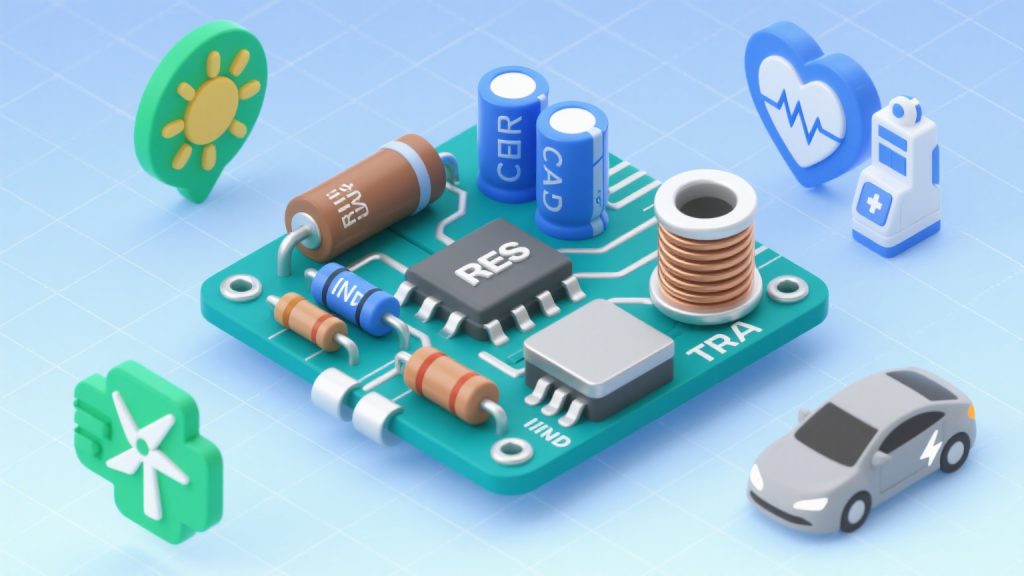
Together, these passive electrical components and passive devices form the building blocks of all circuit components, enabling the design of everything from simple toys to advanced aerospace systems.
Brief History: The Evolution of Passive Components
The story of passive components is intertwined with the history of electronics itself. Their development has been driven by the need for more efficient, reliable, and compact circuit components—a trend that continues to this day.
- 19th Century Foundations : The first resistors, made from carbon or metal wires, emerged in the 1800s, alongside early capacitors (Leyden jars) and inductors (coils). These primitive passive devices laid the groundwork for telegraphy and early electrical systems.
- Early 20th Century Advancements : As radio technology took off, passive components evolved. Ceramic capacitors and iron core inductors became essential for tuning circuits, while transformers revolutionized power distribution, making electricity accessible to homes and industries.
- Mid 20th Century Miniaturization : The rise of consumer electronics (radios, TVs) spurred demand for smaller passive electrical components. Carbon film resistors and electrolytic capacitors replaced bulkier predecessors, enabling more compact designs.
- Late 20th Century to Present : The digital age brought unprecedented challenges. Surface mount technology (SMT) shrank passive devices to microscopic sizes (some as small as 0.4mm x 0.2mm), allowing for densely packed circuit boards in smartphones and computers. Meanwhile, passive communication components like RF filters and fiber optic connectors became critical for high speed data transmission.
Today, passive components continue to evolve, driven by the demands of 5G, renewable energy, and IoT (Internet of Things) technologies. Their history is a testament to their enduring importance in engineering progress.
Core Functions: Why Passive Components Are Irreplaceable
Passive components perform a range of fundamental functions that make them irreplaceable in circuit design. Without them, even the most advanced active components would fail to operate reliably. Let’s break down their key roles:
1.Energy Regulation and Stabilization
One of the primary roles of passive electrical components is to regulate energy flow, ensuring circuits operate within safe and efficient parameters.
- Resistors : By limiting current, resistors prevent damage to sensitive active components (e.g., microchips) and maintain stable voltage levels. In a smartphone, for example, resistors ensure the battery delivers just enough current to power the screen without overloading it.
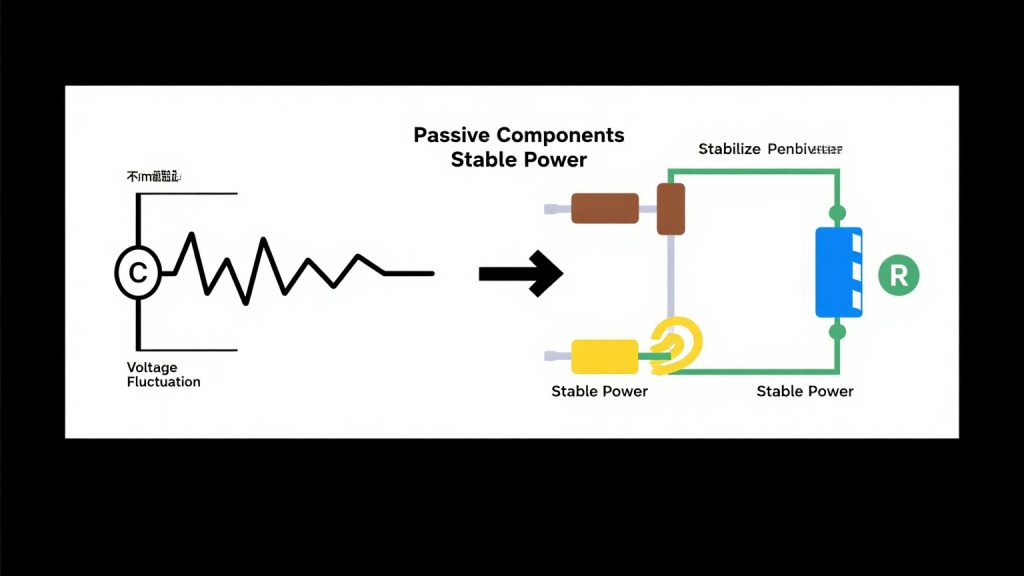
- Capacitors : These passive devices smooth out voltage fluctuations (called “ripple”) in power supplies. In a laptop, capacitors store energy during brief power dips, preventing the device from shutting down unexpectedly.
- Inductors : By resisting changes in current, inductors stabilize power in circuits. In electric vehicles (EVs), inductors in charging systems prevent sudden current spikes that could damage batteries.
Together, these passive components act as“traffic controllers”for electricity, ensuring it flows where and when it’s needed—making them essential circuit components in any electronic system.
2.Signal Processing and Filtering
In communication and data systems, passive components are critical for processing and clarifying signals. This is where passive communication components shine.
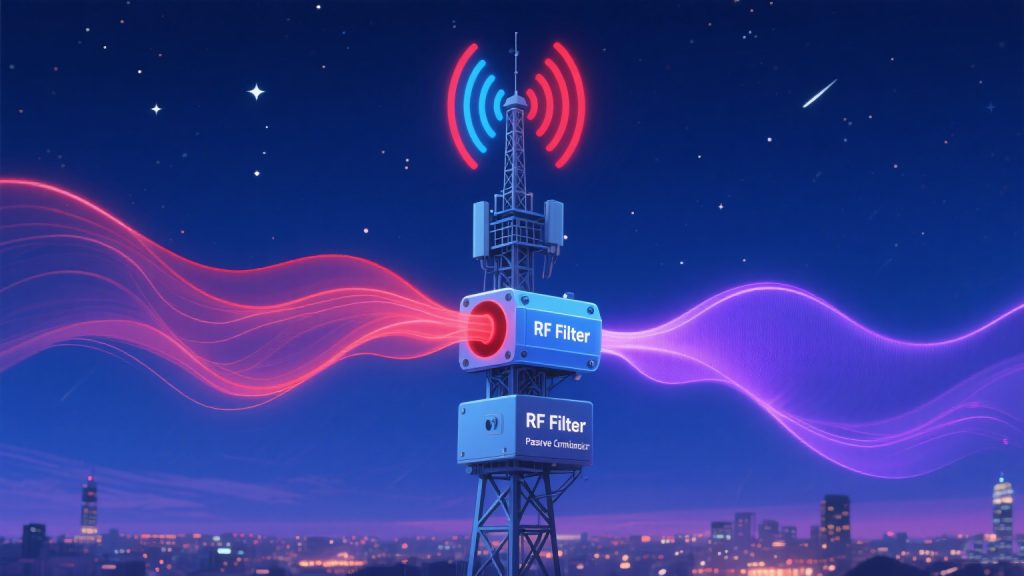
- Filters : These passive communication components block interference (e.g., noise from other devices) while allowing desired signals to pass. In 5G networks, band pass filters ensure that data signals stay within their assigned frequency ranges, preventing cross talk between users.
- Inductors and Capacitors : When combined, these passive electrical components form resonant circuits, which are used to tune radios, TVs, and radar systems to specific frequencies. For example, a car radio’s tuner uses a variable capacitor to adjust the resonant frequency, letting you switch between stations.
- Transformers : In audio systems, transformers match impedance between components (e.g., speakers and amplifiers), ensuring maximum signal transfer and minimizing distortion.
Without these passive devices, signals would be muddled, weak, or unusable—crippling communication technologies we rely on daily.
3.Energy Storage and Transfer
Passive components enable efficient energy storage and transfer, a cornerstone of modern power systems.
- Capacitors : Supercapacitors (a type of high capacity capacitor) store large amounts of energy and release it quickly, making them ideal for applications like hybrid cars (providing bursts of power for acceleration) and renewable energy systems (storing excess solar or wind energy).
- Inductors : In power converters (used in everything from laptops to solar inverters), inductors store energy temporarily, allowing the converter to adjust voltage levels efficiently. This reduces energy waste, making devices more eco friendly.
- Transformers : These passive components are the backbone of electrical grids. Step up transformers increase voltage for long distance transmission (reducing energy loss), while step down transformers lower voltage to safe levels for homes and businesses. Without transformers, widespread electricity distribution would be impossible.
4.Protection of Circuit Components
Passive devices act as safeguards, protecting fragile circuit components from damage.
- Varistors : These voltage dependent resistors (passive electrical components) clamp down on voltage spikes (e.g., from lightning strikes or power surges), diverting excess energy away from sensitive components like computers or medical equipment.
- Fuses and Circuit Breakers : Though often classified as protective devices, fuses rely on resistive elements (passive components) that melt when current exceeds safe levels, breaking the circuit to prevent fires or component failure.
- Thermistors : These temperature sensitive resistors (passive devices) monitor heat in circuits. In a refrigerator, a thermistor triggers the compressor to turn off when the temperature is too low, preventing overcooling.
In essence, passive components are the “bodyguards” of electronic systems, ensuring longevity and safety.
Applications Across Engineering Fields
Passive components are ubiquitous in engineering, with applications spanning industries. Let’s explore their roles in key sectors:
1. Consumer Electronics
From smartphones to smartwatches, consumer devices depend on passive electrical components for compactness, efficiency, and reliability.
- Smartphones : Tiny surface mount resistors and capacitors regulate power to the CPU and display, while inductors in the charging circuit prevent overheating. Passive communication components like RF filters ensure clear cell service and Wi Fi connectivity.
- Televisions : Capacitors in power supplies smooth out electricity from the grid, while inductors in audio circuits reduce noise, delivering crisp sound.
- Wearables : Miniaturized passive devices (e.g., ceramic capacitors) fit into small form factors, enabling fitness trackers and smartwatches to monitor heart rates and activity without bulky hardware.
In consumer electronics, where size and battery life are critical, passive components’small footprint and low power consumption make them indispensable circuit components.
2. Automotive Engineering
Modern cars are rolling computers, with hundreds of electronic systems relying on passive components.
- Advanced Driver Assistance Systems (ADAS) : Cameras and radar in ADAS use passive communication components like filters to process signals, enabling features like lane keeping and automatic braking. Inductors in these systems reduce electromagnetic interference (EMI), ensuring accurate readings.
- EVS and Hybrids : Capacitors store energy for rapid acceleration, while transformers in charging ports convert AC power from the grid to DC for the battery. Resistors in battery management systems monitor cell voltage, preventing overcharging.
- Infotainment Systems : Passive components like potentiometers (variable resistors) control volume and brightness, while filters ensure clear Bluetooth and satellite radio signals.
As cars become more electrified and autonomous, the demand for high performance passive devices will only grow.
3. Aerospace and Defense
In aerospace and defense, where reliability is non negotiable, passive components must withstand extreme conditions (temperature swings, vibration, radiation).
- Satellites : Space grade capacitors and inductors operate in vacuum and extreme cold, regulating power to communication systems and sensors. Passive communication components like waveguides (used to transmit microwaves) ensure data from satellites reaches Earth without interference.
- Military Radar : High power resistors dissipate excess energy in radar transmitters, while precision inductors tune the system to detect distant targets. These passive electrical components must resist radiation to avoid malfunctions in combat zones.
- Aircraft Avionics : Transformers in cockpit systems convert voltage for navigation displays, while filters block EMI from engines, ensuring pilots receive accurate data.
In these fields, failure is not an option—and passive components deliver the reliability needed to keep systems operational.
4. Renewable Energy
Passive components are critical to harnessing and distributing clean energy.
- Solar Power : Capacitors in solar inverters smooth out DC power from panels before converting it to AC for homes. Inductors in these inverters reduce harmonic distortion, making the energy compatible with the grid.
- Wind Turbines : Transformers step up voltage from turbines for long distance transmission, while resistors monitor generator current to prevent overloads. Passive devices like surge protectors shield turbines from lightning strikes.
- Energy Storage : Supercapacitors store energy from intermittent sources (sun, wind) and release it during lulls, ensuring a steady power supply. These passive electrical components charge faster than batteries, making them ideal for grid stabilization.
As the world shifts to renewable energy, passive components will play an increasingly vital role in making these systems efficient and reliable.
5. Medical Devices
In healthcare, passive components enable life saving technologies, where precision and safety are paramount.
- Pacemakers : Tiny resistors and capacitors regulate the electrical pulses that keep hearts beating, while filters (passive communication components) block EMI from other medical equipment, preventing malfunctions.
- MRI Machines : High power inductors generate the strong magnetic fields needed for imaging, while capacitors store energy to maintain field stability. Resistors in cooling systems prevent overheating of sensitive magnets.
- Glucose Monitors : Miniaturized passive devices (e.g., ceramic capacitors) power sensors that measure blood sugar levels, ensuring accurate readings in portable, wearable monitors.
In medical engineering, passive components don’t just enable technology—they save lives.
Advantages of Passive Components
Passive components offer unique advantages that make them irreplaceable in engineering design:
- Reliability and Longevity:Passive devices have no moving parts and simple designs, making them less prone to failure than active components. A resistor or capacitor can last decades, even in harsh environments, whereas active components like microchips may degrade over time. This reliability is critical in applications like power grids or pacemakers, where downtime is dangerous.
- Cost Effectiveness:Passive electrical components are inexpensive to produce, especially in bulk. A single resistor can cost less than a cent, while even complex passive communication components (like filters) are far cheaper than active components (e.g., microprocessors). This affordability makes them ideal for mass produced devices, from toys to smartphones.
- Energy Efficiency:Unlike active components, which consume power to operate, passive devices use minimal energy (or none at all). Resistors dissipate energy as heat, but this is often a small fraction of the energy in a circuit. Capacitors and inductors store energy rather than wasting it, improving overall system efficiency—a key advantage in battery powered devices and renewable energy systems.
- Compatibility and Versatility:Passive components work with nearly all active components, making them highly versatile. A single resistor can be used in a smartphone, a car, or a satellite, with only minor adjustments to its value. This compatibility simplifies design, reducing the need for custom parts and speeding up development cycles.
- Resistance to Environmental Stress:Passive devices are often built to withstand extreme conditions. Military grade resistors, for example, can operate in temperatures ranging from 55°C to 125°C, while ruggedized capacitors resist vibration and moisture. This makes them ideal for industrial, aerospace, and outdoor applications where active components might fail.
Challenges and Innovations in Passive Component Design
While passive components are essential, they face ongoing challenges driven by advancing technology. Engineers are responding with innovative solutions:
- Miniaturization:
- As devices shrink (e.g., wearables, IoT sensors), passive components must become smaller without sacrificing performance. Traditional through hole resistors and capacitors are being replaced by surface mount devices (SMDs) as small as 01005 (0.4mm x 0.2mm). However, miniaturization increases manufacturing complexity—tiny components are harder to solder and more susceptible to damage.
- Innovation : Nanotechnology is enabling even smaller passive electrical components. Graphene based capacitors, for example, store more energy in a smaller space than traditional designs, making them ideal for microscale devices.
- High Frequency Performance:
- 5G, radar, and satellite systems operate at extremely high frequencies (up to 100 GHz). At these speeds, passive components like inductors and filters can suffer from signal loss or EMI, degrading performance.
- Innovation : New materials like low loss ceramics and superconductors are reducing signal loss in high frequency passive communication components. For example, 5G base stations use specialized filters made with advanced ceramics to maintain signal integrity at millimeter wave frequencies.
- Energy Density:
- Renewable energy systems and EVs demand passive components that store more energy. Traditional capacitors, while fast charging, have lower energy density than batteries.
- Innovation : Supercapacitors (or ultracapacitors) are bridging this gap. Using porous carbon electrodes, they store 10–100 times more energy than standard capacitors, making them viable for applications like EV regenerative braking (capturing energy from braking to recharge batteries).
- Environmental Sustainability:
- Many passive components contain harmful materials (e.g., lead in solder, electrolytes in capacitors). Regulatory pressures (e.g., RoHS in the EU) are pushing manufacturers to develop eco friendly alternatives.
- Innovation : Lead free resistors and capacitors with biodegradable electrolytes are now common. Additionally, recyclable passive devices are being designed to reduce electronic waste, aligning with global sustainability goals.
Future Trends: The Next Frontier for Passive Components
As engineering evolves, passive components will continue to adapt, driven by emerging technologies:
- Integration with Smart Systems:
- Passive devices are becoming“smarter”by integrating with sensors and IoT networks. For example,“intelligent resistors”can monitor their own temperature and send data to a central system, enabling predictive maintenance in industrial machinery. This turns passive components into active participants in system health management.
- Quantum Computing Compatibility:
- Quantum computers operate at near absolute zero temperatures and require passive components that function in these extreme conditions. Researchers are developing cryogenic capacitors and inductors made from superconducting materials, which will enable quantum systems to process data without interference.
- 6G and Beyond:
- 6G networks (expected to launch in the 2030s) will operate at terahertz frequencies, demanding passive communication components with unprecedented precision. Filters and antennas made from metamaterials (synthetic materials with unique electromagnetic properties) will be needed to handle these ultra high frequencies, enabling faster, more reliable communication.
- Energy Harvesting:
- Passive components will play a key role in energy harvesting, where ambient energy (light, vibration, heat) is converted into electricity. For example, piezoelectric inductors can capture energy from machinery vibrations, powering low energy sensors in factories—reducing reliance on batteries.
Frequently Asked Questions (FAQs)
Q: How do passive components differ from active components?
A: Passive components (e.g., resistors, capacitors) do not require external power and cannot amplify signals. Active components (e.g., transistors, ICs) need power to operate and can amplify or generate signals. Both are essential circuit components, but passive components focus on regulation, storage, and signal processing.
Q: Why are passive communication components critical for 5G?
A: 5G networks use high frequencies that are prone to interference. Passive communication components like filters and antennas block noise, maintain signal integrity, and enable precise frequency tuning—ensuring fast, reliable data transfer.
Q: Are passive components becoming obsolete with advances in active components?
A: No. Active components rely on passive components to function. For example, a microchip needs resistors to regulate current and capacitors to stabilize power. As active components become more advanced, the demand for high performance passive electrical components increases.
Q: What is the most commonly used passive component?
A: Resistors are the most ubiquitous, used in nearly every electronic device to limit current. Capacitors and inductors are also widely used, with applications ranging from power supplies to communication systems.
Conclusion
Passive components—including passive electrical components, passive devices, passive communication components, and other circuit components—are the unsung heroes of engineering. They enable stability in circuits, efficiency in energy use, clarity in communication, and reliability in critical systems. From the earliest telegraphs to the latest 5G networks, passive components have been foundational to technological progress.
As engineering challenges grow—from miniaturizing IoT devices to building sustainable energy grids—passive components will continue to evolve, driven by innovation in materials, design, and integration. Their importance will only increase as the world becomes more dependent on electronic systems.
In the end, passive components remind us that great engineering is built on strong foundations. Without these humble parts, the most advanced technologies would be little more than ideas. They are, and will remain, essential to the future of engineering.
SHARE: