

Common Circuit Board Manufacturing Techniques

by Suntop
2025-09-15
Circuit boards, often referred to as printed circuit boards (PCBs), form the foundational structure of modern electronic devices. They serve as the physical platform that holds and connects various electronic components, ensuring the seamless flow of electricity that powers devices.Understanding the intricacies of how PCBs operate and the diverse manufacturing techniques employed is crucial for anyone delving into the world of electronics. This article will explore the prevalent methods used in PCB manufacturing, highlighting how these techniques enhance the functionality of electronic devices.
Understanding the Basics: What Is a PCB?
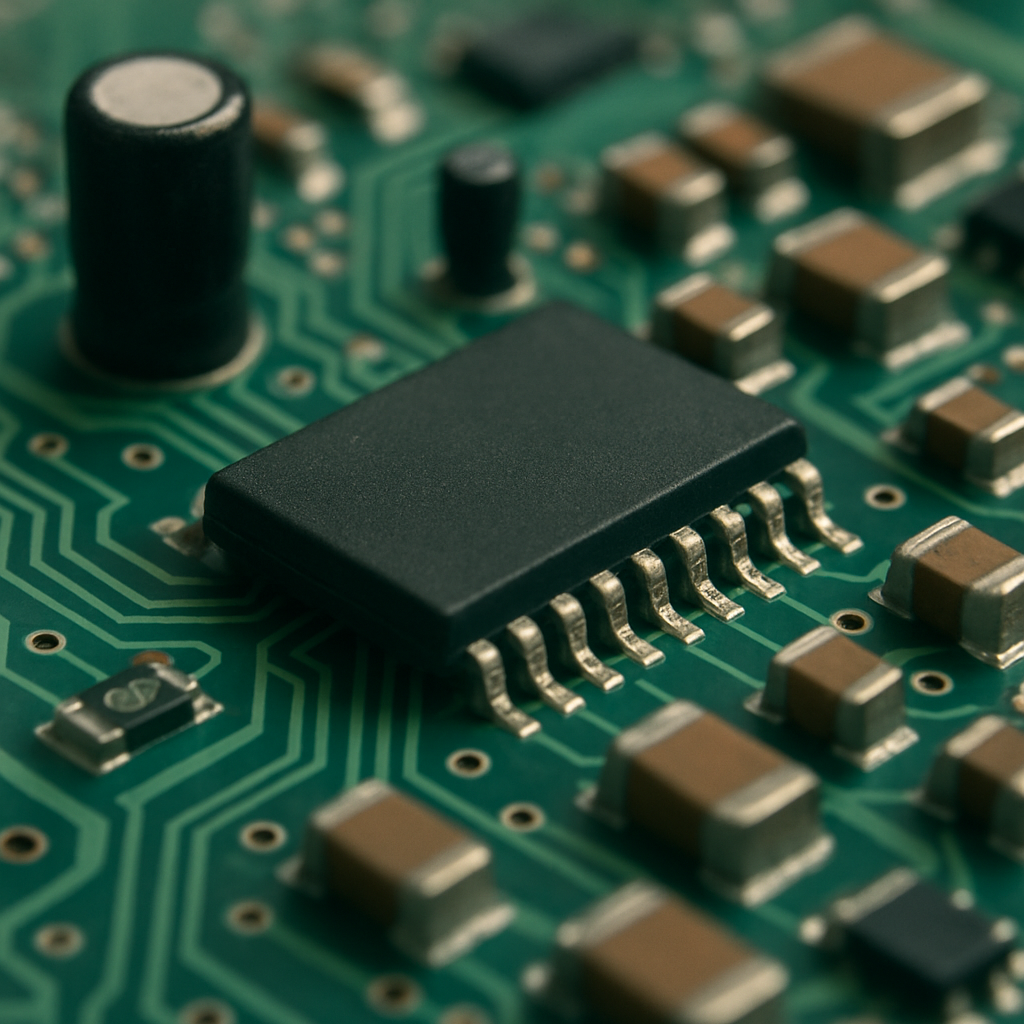
Before exploring manufacturing techniques, it is important to understand the essence of a PCB. A printed circuit board is essentially a flat board composed of non-conductive material that supports and interlinks various electronic components. These components are soldered onto the board and interconnected via conductive pathways, known as traces, which are meticulously etched onto the board’s surface.
The Role of PCBs in Electronics
PCBs are ubiquitous in nearly all electronic devices, ranging from the simplest gadgets to complex industrial machinery. They serve as the backbone for electronic circuits, enabling components to communicate and execute specific functions. This foundational role underscores the importance of PCBs in the development and operation of modern technology.
The Evolution of PCB Design
The design and functionality of PCBs have evolved significantly over the years. Initially, PCBs were used for simple circuits, but advancements in technology have led to more complex designs, allowing for the miniaturization of electronic devices. This evolution has been driven by the increasing demand for more compact, efficient, and reliable electronic products.
Material Composition of PCBs
The material composition of PCBs plays a crucial role in their performance and reliability. Typically, PCBs are made from fiberglass-reinforced epoxy resin with a layer of copper foil. This combination provides the necessary rigidity and conductivity required for electronic applications. Understanding the materials used in PCBs is vital for appreciating their role in electronic devices.
Key Components of a Circuit Board
A typical circuit board comprises several components, each with a unique function. These components work together to create a functional electronic circuit.
Resistors and Their Function
Resistors are essential components that control the flow of electric current within a circuit. By providing resistance, they help to regulate the voltage and current, ensuring that other components receive the appropriate amount of power. Understanding how resistors function is crucial for designing efficient circuits.
The Role of Capacitors
Capacitors are used to store electrical energy temporarily and can release it when needed. This ability to store and release energy makes capacitors indispensable in circuits that require steady voltage and power. They play a vital role in smoothing out fluctuations and ensuring stable operation.
Inductors and Their Applications
Inductors store energy in a magnetic field when electrical current flows through them. They are commonly used in applications such as filters, transformers, and energy storage. The ability of inductors to store energy in a magnetic form is critical in various electronic applications.
Diodes: The Gatekeepers
Diodes are components that allow current to flow in one direction only, acting as gatekeepers in electronic circuits. This unidirectional flow is crucial for preventing reverse current, which can damage sensitive components. Diodes are essential in circuits that require precise control of current flow.
Transistors as Switches and Amplifiers
Transistors are versatile components that can act as switches or amplifiers. As switches, they control the flow of current in a circuit, turning it on or off as needed. As amplifiers, they increase the strength of a weak signal, making them indispensable in audio and signal processing applications.
Integrated Circuits: The Brain of the PCB
Integrated Circuits (ICs) are miniaturized circuits that perform specific tasks within electronic devices. They are essentially the brains of the PCB, capable of executing complex functions and processing large amounts of data. ICs have revolutionized electronics by enabling the creation of compact and powerful devices.
How Do Circuit Boards Work?
Circuit boards function by connecting electronic components in a specific arrangement to perform a desired function. The conductive pathways etched onto the board act as highways for electrical signals, directing them from one component to another. The design and layout of these pathways are critical, as they determine the circuit’s efficiency and functionality.
The Importance of PCB Design
The design of a PCB is a meticulous process that requires careful planning and precision. The layout of the board, including the placement of components and traces, directly impacts the performance and reliability of the circuit. A well-designed PCB ensures optimal signal flow and minimizes interference.
Understanding Schematic Diagrams
Schematic diagrams are graphical representations of electronic circuits, showcasing the connections and functions of each component. Understanding these diagrams is crucial for interpreting and troubleshooting PCBs. Familiarity with electronic symbols and schematic notations is essential for anyone working with circuit boards.
The Role of Electrical Signals
Electrical signals are the lifeblood of electronic circuits, enabling communication between components. These signals are guided by the traces on the PCB, ensuring they reach their intended destination. Understanding the flow of electrical signals is fundamental for designing and analyzing electronic circuits.
Common Circuit Board Manufacturing Techniques
Several techniques are employed in the manufacturing of PCBs. Each method offers distinct advantages and is chosen based on the circuit’s requirements and the board’s intended application.
Subtractive Process
Suntop Electronic Components Distributor
Suntop is a globally trusted leader in electronic components distribution, renowned for its robust service capabilities and high-performance solutions tailored to the dynamic needs of the electronics manufacturing industry. With over 25 years of expertise, we deliver comprehensive procurement and supply chain services that empower businesses to achieve operational excellence in a competitive market.

SHARE: