

Ac Start Cap

by Suntop
2025-12-25
When it comes to maintaining the efficiency and performance of your air conditioning system, understanding the role of an AC start cap, or start capacitor, is critical. These small yet powerful components play a key role in getting your air conditioner up and running, especially during the hottest months when you rely on your AC the most. Without them, your system might not function at its best, affecting both comfort and energy consumption. Let’s dive into the world of AC capacitors and explore their importance, function, and how to troubleshoot common issues.
A well-functioning start capacitor ensures that your air conditioner can manage the demands of peak summer months without faltering. As energy efficiency becomes increasingly important, understanding how these components work can contribute to reducing your overall energy footprint. By knowing more about start capacitors, you can improve your air conditioner’s lifespan, optimize its performance, and potentially lower your energy bills.
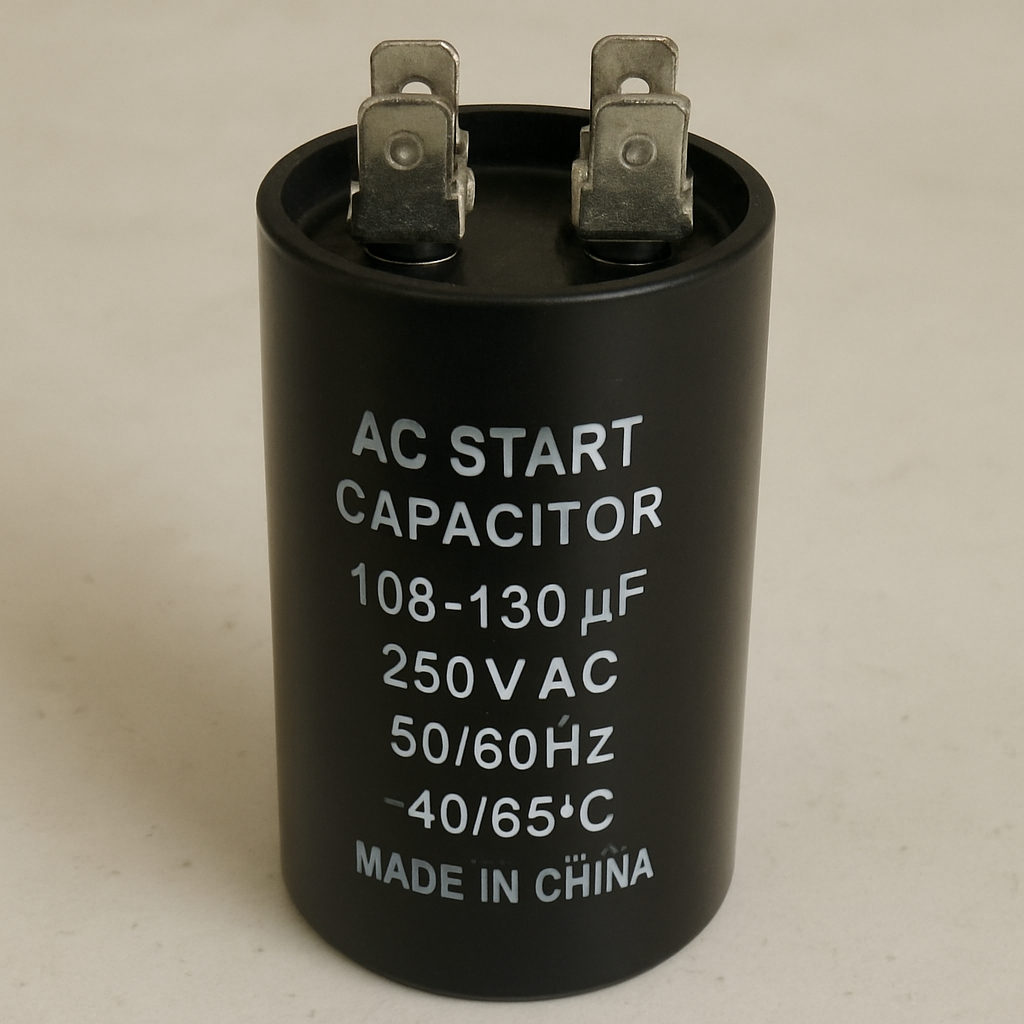
An AC start capacitor is a device that stores electrical energy and provides an extra surge of power to start an air conditioner’s compressor or motor. This initial boost is essential for kick-starting the AC unit, particularly under high load conditions. Without a functioning start capacitor, your air conditioner might struggle to start or not start at all, leading to discomfort and potential damage to the system over time.
The start capacitor acts like a battery, giving the necessary energy jolt to the compressor when it needs to overcome inertia. This is especially important in high-demand situations, such as when the air conditioner starts up after being off for a long period or when it needs to start under high ambient temperatures. The absence of this component can result in prolonged start-up times, increased wear on the compressor, and in some cases, complete failure to start.
Types of Capacitors in Air Conditioners
Air conditioning systems use various types of capacitors, each serving a specific function:
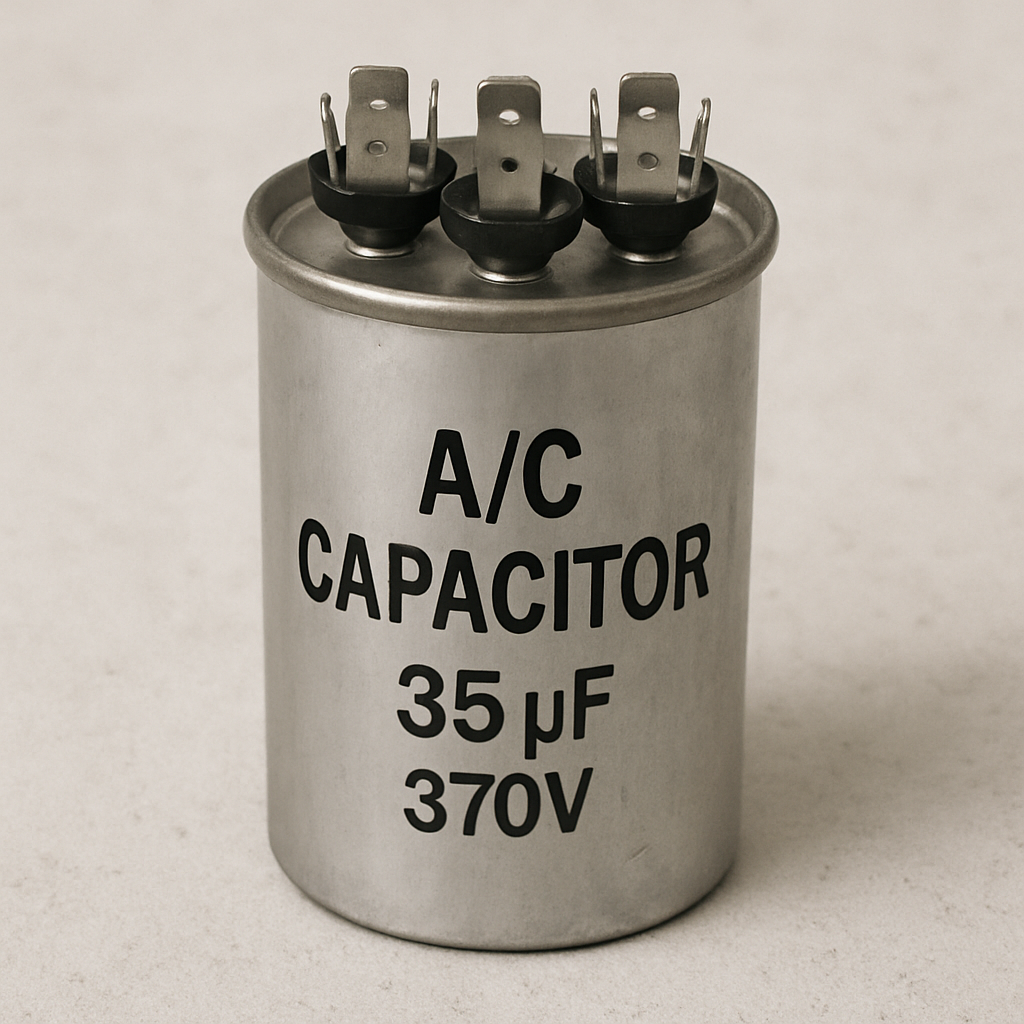
- Start Capacitor: Provides the initial energy boost to start the compressor or motor. This capacitor is usually larger and has a higher capacitance than run capacitors.
- Run Capacitor: Maintains a consistent level of power to keep the motor running smoothly. It helps regulate voltage and current to the motor, ensuring efficient operation.
- Dual-Run Capacitor: Combines both start and run functions in a single unit, commonly used in modern AC systems. This is a space-saving design that simplifies the electrical system and often reduces maintenance complexity.
Each type of capacitor plays a crucial role in the operation of an air conditioning unit, ensuring efficient performance and prolonging the lifespan of the system. Understanding the differences between them can help in troubleshooting and maintenance, as well as ensuring that the right component is replaced when necessary.
The Importance of a Start Capacitor
he start capacitor is vital for the proper operation of your air conditioner. It ensures that the compressor and blower motor receive the necessary power to overcome initial resistance and begin operation. Without a properly functioning start capacitor, your AC unit may experience:
- Delayed Start: The compressor or motor struggles to initiate, leading to increased wear and tear. This not only affects performance but can also lead to more frequent maintenance and higher repair costs.
- Overheating: Prolonged attempts to start without adequate power can cause overheating and potential damage. Overheating can compromise other parts of the system, such as the compressor, leading to a cascade of failures.
- Increased Energy Consumption: Inefficient starts lead to higher energy usage and increased utility bills. The additional strain on the electrical system can also increase the risk of other electrical issues.
By ensuring your start capacitor is in good working order, you can avoid these common issues and keep your air conditioning system running smoothly. Regular checks and timely replacements can significantly enhance the reliability and efficiency of your unit.
How to Identify a Faulty Start Capacitor
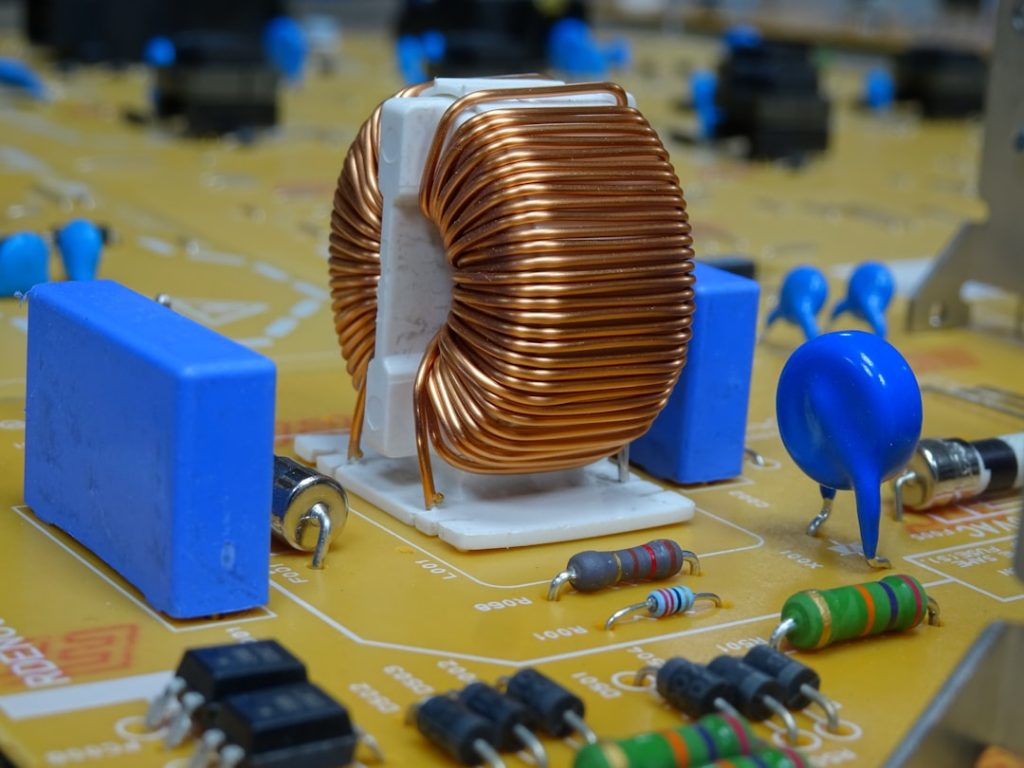
Recognizing the signs of a failing start capacitor can help prevent further damage to your air conditioning system. Common symptoms include:
- Humming Noise: A persistent humming noise from the AC unit can indicate a faulty capacitor struggling to start the motor. This noise is a tell-tale sign that the capacitor isn’t providing sufficient power to the system.
- AC Unit Fails to Start: If your air conditioner doesn’t start or takes longer than usual, the start capacitor may be failing. Delays in starting can cause unnecessary strain on the compressor and motor.
- Burning Smell: A burning smell near the unit could be a sign of capacitor failure or overheating components. This is a serious issue that requires immediate attention to prevent further damage or potential fire hazards.
- Visible Damage: Inspect the capacitor for any bulging, leaks, or visible damage, which are clear indicators of a problem. Physical damage often means the capacitor has failed and needs replacement.
If you notice any of these symptoms, it may be time to replace the start capacitor to restore your air conditioner’s functionality. Ignoring these signs can lead to more severe issues and costly repairs down the road.
Replacing an AC Start Capacitor
Replacing a start capacitor is a relatively straightforward process but requires caution due to the electrical components involved. Here’s a step-by-step guide to safely replace your AC start capacitor:
Step 1: Turn Off Power
Before beginning any work, ensure the power to your air conditioning unit is completely turned off. This can usually be done by switching off the breaker in your electrical panel. Safety is paramount, and working with electricity requires careful adherence to safety protocols.
Step 2: Access the Capacitor
Locate the capacitor within your air conditioning unit. It is typically housed within the outdoor unit and may require removing a panel to access. Be sure to handle the components carefully to avoid damage or injury.
Step 3: Discharge the Capacitor
Capacitors store electrical energy even when the power is off. Use a screwdriver with an insulated handle to short the terminals and safely discharge any residual energy. This step is critical to prevent electric shock.
Step 4: Remove the Old Capacitor
Carefully disconnect the wires attached to the old capacitor. Take note of the wiring configuration or take a photo for reference when installing the new capacitor. Ensuring the correct wiring setup is crucial for the new capacitor to function properly.
Step 5: Install the New Capacitor
Connect the wires to the new capacitor following the same configuration as the old one. Secure the capacitor in place and ensure all connections are tight. Loose connections can lead to operational issues or damage the new capacitor.
Step 6: Test the AC Unit
Once the new capacitor is installed, restore power to the unit and test its operation. The air conditioner should start smoothly and operate efficiently. If any issues persist, further inspection may be required to identify other potential problems.
Choosing the Right Replacement Capacitor
When selecting a replacement capacitor, it’s crucial to match the specifications of the original capacitor. This includes the capacitance (measured in microfarads, µF), voltage rating, and physical size. Using a capacitor with incorrect specifications can lead to inefficient operation or potential damage to the AC unit.
Ensuring compatibility not only maintains the system’s efficiency but also prevents possible electrical hazards. It’s advisable to consult the air conditioner’s manual or a professional technician to ensure the correct selection. This small investment of time and effort can save significant costs and inconvenience in the long run.
Conclusion
Understanding the role and importance of an AC start capacitor is essential for maintaining your air conditioning system’s performance. Regular inspections and timely replacements of faulty capacitors can prevent costly repairs and ensure your AC unit operates efficiently throughout the year. Being proactive about maintenance can significantly enhance the longevity and reliability of your air conditioning system.
By familiarizing yourself with the different types of capacitors and recognizing signs of capacitor failure, you can take proactive measures to keep your air conditioning system in optimal condition. Whether you’re dealing with a 3-ton or 4-ton AC unit, the principles of capacitor maintenance remain the same, ensuring reliable cooling when you need it most. This knowledge empowers you to handle minor issues independently and know when to seek professional help, keeping your home comfortable and your system running smoothly.
SUNTOP
Founded in 2000, Suntop is one of the leading global distributors of electronic components, dedica ted to providing comprehensive procurement and supply chain services to the global electronics manufacturing industry. Our services include distribution, spot trading, PPV cost-saving projects, and inventory management. We not only offer high-quality products but also strive to assist our clients in achieving optimal solutions with minimal time and cost.
Suntop is a popular choice for those seeking electron devices and circuits due to their competitive pricing and reliable service. They cater to both small-scale hobbyists and large-scale manufacturers, ensuring that every customer finds what they need.

SHARE: